Can You Build Muscle While Losing Fat at the Same Time? A Clear, Honest Explanation

A straightforward article explaining body recomposition in plain science. It helps readers understand how muscle can grow while fat decreases, what conditions allow it, and what role supplements may or may not play.

What “Body Recomposition” Actually Means
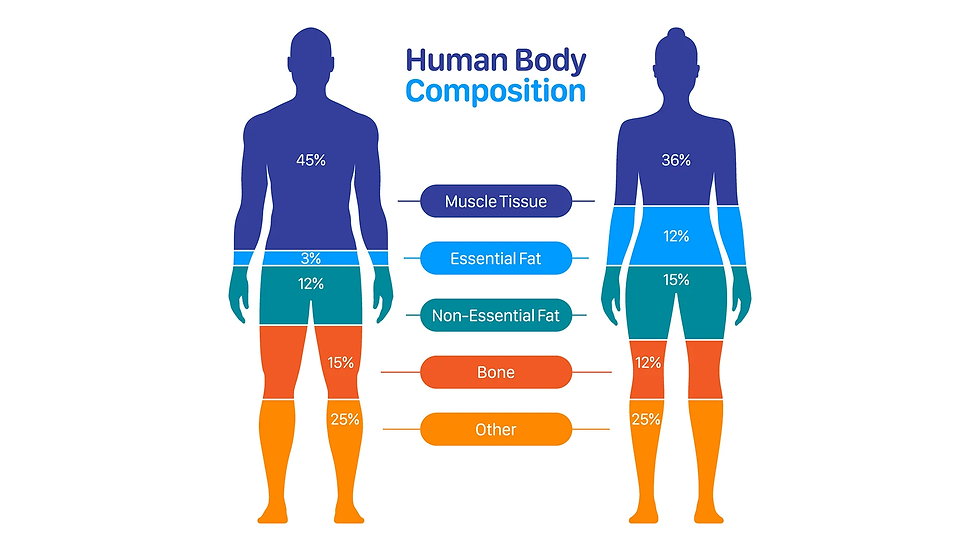
Image source: iHealth Lab, 2024
Body recomposition is the process of gaining muscle and losing fat at the same time. Your overall body weight may change little — because as fat mass goes down, lean mass goes up — but your shape, strength, and metabolic health noticeably improve.
This is possible, but it happens only under certain conditions and at certain stages of training.
When Recomposition Is Most Likely to Happen
1. Beginners
Someone new to strength training responds very quickly. Their muscles are highly sensitive to training and protein, so they can build muscle even in a small calorie deficit.
2. Returning Athletes
If you trained before and stopped, your muscles regain strength faster due to “muscle memory.” This makes recomposition more achievable.
3. People Increasing Protein & Improving Training Quality
Even without being a beginner, improving the basics — proper training, higher protein intake, better recovery — can unlock some recomposition.
4. Individuals With Higher Body Fat
A body with larger fat stores has more energy reserve, so it can fuel muscle-building processes even without eating in a surplus.
What Makes Recomposition Work
1. Strength Training
Muscle grows only when it receives a signal to grow.This comes from:
Resistance training
Progressive overload (lifting slightly more over time)
Using enough effort (not “easy” sets)
Without training stimulus, recomposition does not occur.
2. Calorie Balance: Not Too Low, Not Too High

To lose fat you need a calorie deficit, but a severe deficit blocks muscle growth.
A workable recomposition zone is:
Small deficit (~200–300 kcal/day)
Or “maintenance” calories with good training and protein
A large deficit tells the body: survival first, muscle second.So fat loss happens, but muscle growth stops.
3. Adequate Protein
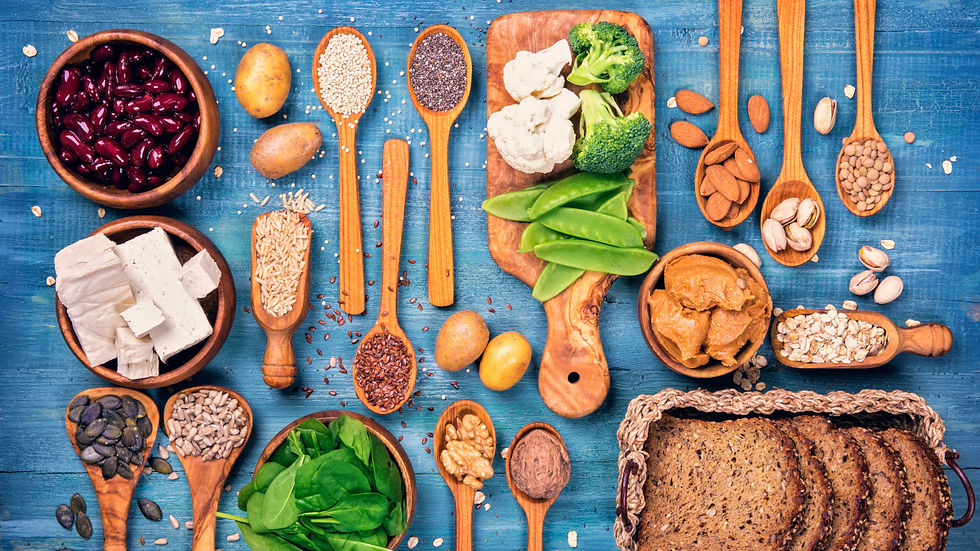
Protein is the raw material for muscle repair.Most research supports:
1.6–2.2 g of protein per kg of bodyweight per day
This helps the body preserve muscle in a deficit and build it when possible.
4. Sleep & Recovery

Muscle does not grow during training — it grows during recovery.
Poor sleep disrupts hormones, reduces training performance, and slows fat loss.Aim for 7–9 hours, consistent schedules, and rest days.
Supplements That May Support Recomposition
Remember that supplements are tools, not magic. They support and enhance good habits, but not entirely replace them.
1. Protein Powder
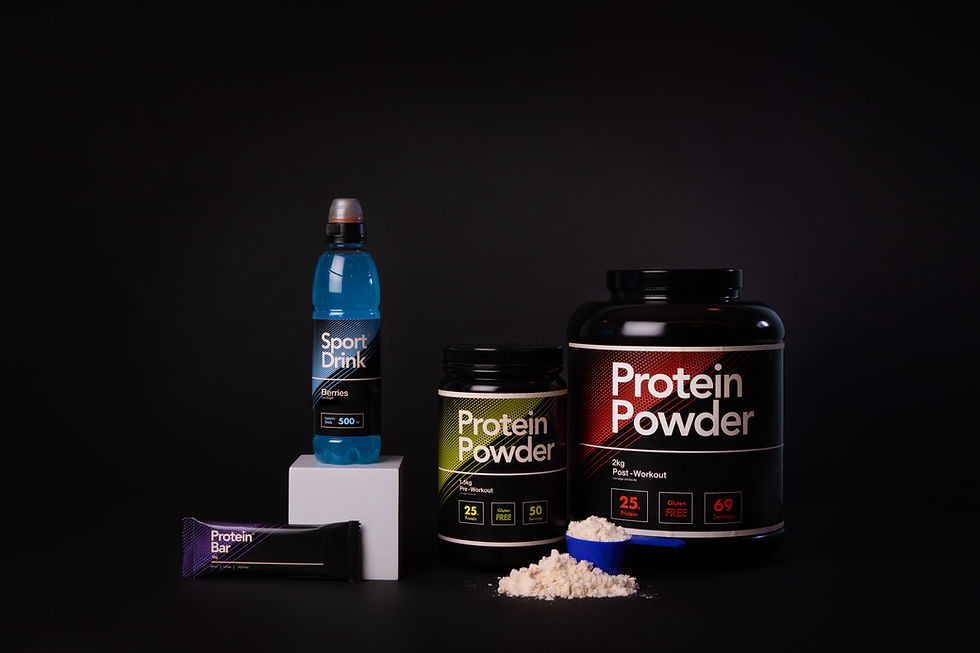
A convenient way to reach daily protein targets.Whey, casein, or plant-based powders can fill nutritional gaps if whole food intake is not enough.
2. Creatine Monohydrate

One of the most researched supplements.Improves strength, training volume, and muscle fullness — indirectly supporting recomposition.
Read more about L-carnitine information on my website here
3. L-Carnitine
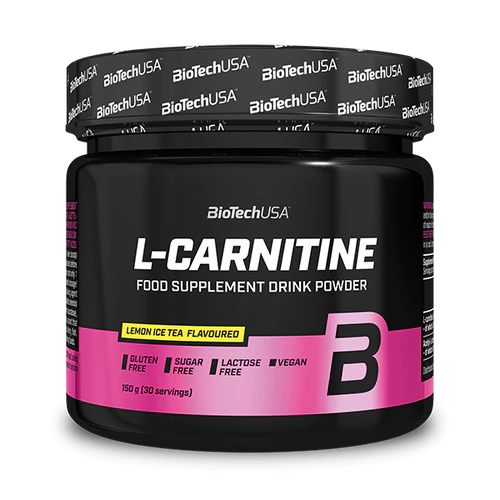
May help fatty acid transport and slightly improve fat metabolism, especially in people who are deficient or have higher body fat levels.
Read more about L-carnitine information on my website here
4. Omega-3 Fatty Acids

Reduce inflammation, support recovery, and may enhance muscle protein synthesis in some groups.
Read more about Omega-3 information on my website here
Why Severe Calorie Deficits Stop Recomposition
When calories drop too low:
Muscle breakdown increases
Training quality declines
Hormones that regulate metabolism and muscle growth fall
Fatigue rises → fewer effective workouts
The body shifts to “protective mode”—fat loss may still occur, but muscle gain becomes nearly impossible.
Why Recomposition Gets Harder for Advanced Athletes

The more trained you are, the slower muscle grows. Advanced athletes usually need:
Precise nutrition
Dedicated bulking and cutting phases
Higher training volume
For them, recomposition happens in very small increments, often too small to notice.
Realistic Timelines & Expectations
Recomposition is not a rapid transformation. Typical realistic progress:
Beginners: noticeable changes in 8–12 weeks
Intermediates: smaller but consistent changes over months
Advanced athletes: tiny changes unless calories are carefully cycled
Visible results appear gradually through improved muscle tone, reduced waist size, better posture, and increased strength.
A Respectful Reminder About Individual Variability
Your body is unique. Genetics, stress levels, sleep quality, hormones, diet history, and training background all influence how easily you can build muscle and lose fat at the same time.
Recomposition is absolutely possible — but the process unfolds differently for everyone.

Wrap it up
Yes, you can build muscle while losing fat.But it works best when:
You’re a beginner, returning after a break, or have higher body fat
You strength train consistently
You maintain a small calorie deficit or eat at maintenance
You prioritize protein, recovery, and quality workouts
Supplements can support the process, but the foundation is training, nutrition, and rest.
Good things take time !

Comments