
Training & Muslce Support
Discover how supplement help you achieving your goal
.png)
Overview
Training and muscle support supplements are designed to help the body perform, adapt, and recover in response to physical activity. Whether your goal is building muscle, improving strength, increasing endurance, or supporting recovery, different supplements target different stages of the training process.
This page's mission is to help you understand how these supplements work, who they may be useful for, and how to use them thoughtfully—without hype, unrealistic promises, or confusing terminology.
Supplements do not replace training, nutrition, or rest. Instead, they act as support tools, especially for people with busy schedules, high physical demands, or specific performance goals.

Training and Muscle Support
Supplement Guide
This page is dedicated to assisting you in understanding how these supplements work, who they may be useful for, and how to use them thoughtfully—without hype, unrealistic promises, or confusing terminology.
.png)

When you train, your body goes through several phases:

Energy demand during exercise
In this phase, your body requires rapid ATP use for muscular contraction
Muscle stress and micro-damage
Mechanical tension creates microscopic muscle fiber damage.
Recovery and adaptation
Repair processes restore and strengthen muscle tissue
Muscle growth and performance improvement, require continuous maintenance
Adaptation increases strength, size, and capacity
Understand How Supplement Helps Muscle Building and Strength
How Training & Muscle Support Supplements Work
When you train, your body goes through several phases
1. Energy demand during exercise
Your body demands rapid ATP use for muscular contraction
2. Muscle stress and micro-damage
Mechanical tension creates microscopic muscle fiber damage,
3. Recovery and adaptation
,Repair processes restore and strengthen muscle tissue
4. Muscle growth and performance improvement
Adaptation increases strength, size, and capacity
Training supplements support these processes by
-
Providing building blocks for muscle repair
-
Supporting energy availability during workouts
-
Reducing excessive fatigue
-
Helping the body recover more efficiently
*Supplements do not replace training, nutrition, or rest. Instead, they act as support tools, especially for people with busy schedules, high physical demands, or specific performance goals.

Training supplements support these processes by
-
Providing building blocks for muscle repair
-
Supporting energy availability during workouts
-
Reducing excessive fatigue
-
Helping the body recover more efficiently

Creatine Monohydrate
Creatine is a naturally occurring compound stored in skeletal muscle and used to regenerate ATP, the body’s immediate energy source during short, high-intensity exercise.
Increases strength, power output, and lean muscle mass by improving energy availability during intense training. Best for: strength training, resistance exercise, high-intensity workouts, muscle and performance gains.
Standard: 3–5 g daily. Optional loading: ~20 g/day split into 4 doses for 5–7 days, then 3–5 g/day maintenance. Timing: any time; daily consistency matters most. Not necessary if: you do not train progressively.
Generally safe in healthy adults; may cause mild GI upset or water retention. Individuals with kidney disease should seek medical guidance.
Kreider et al., 2017; NIH ODS, 2021



Muscle Building and Strength support
This category focuses on muscle protein synthesis, strength output, and lean mass development.

BCAAs (Branched-Chain Amino Acids)
Creatine is a naturally occurring compound stored in skeletal muscle and used to regenerate ATP, the body’s immediate energy source during short, high-intensity exercise.
Increases strength, power output, and lean muscle mass by improving energy availability during intense training. Best for: strength training, resistance exercise, high-intensity workouts, muscle and performance gains.
Standard: 3–5 g daily. Optional loading: ~20 g/day split into 4 doses for 5–7 days, then 3–5 g/day maintenance. Timing: any time; daily consistency matters most. Not necessary if: you do not train progressively.
Generally safe in healthy adults; may cause mild GI upset or water retention. Individuals with kidney disease should seek medical guidance.
Kreider et al., 2017; NIH ODS, 2021

.png)


Recovery Phase: Muscle Repair, Preservation & Joint Support
These supplements helps reduces muscle breakdown, supports recovery systems, and maintains connective tissue health

Betaine (Trimethylglycine)
Creatine is a naturally occurring compound stored in skeletal muscle and used to regenerate ATP, the body’s immediate energy source during short, high-intensity exercise.
Increases strength, power output, and lean muscle mass by improving energy availability during intense training. Best for: strength training, resistance exercise, high-intensity workouts, muscle and performance gains.
Standard: 3–5 g daily. Optional loading: ~20 g/day split into 4 doses for 5–7 days, then 3–5 g/day maintenance. Timing: any time; daily consistency matters most. Not necessary if: you do not train progressively.
Generally safe in healthy adults; may cause mild GI upset or water retention. Individuals with kidney disease should seek medical guidance.
Kreider et al., 2017; NIH ODS, 2021


Performance & Endurance support
This category focuses on improves training capacity, fatigue resistance, blood flow, or hydration during exercise
Understanding which stage you want to support helps you choose the right supplement.
Browse by Topic
Discover by Category
Understanding which stage you want to support helps you choose the right supplement.

Muslce Strength & Muscle Building Support
Those supplement group directly supports strength output, muscle protein synthesis, or lean mass development
Creatine Monohydrate
Whey Protein
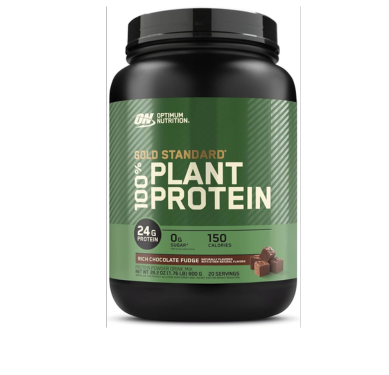
Plant Protein Blends
Casein Protein
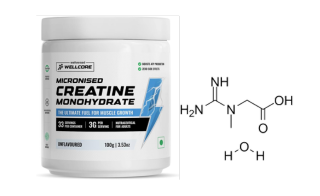
Creatine is a naturally occurring compound stored in skeletal muscle and used to regenerate ATP, the body’s immediate energy source during short, high-intensity exercise.
Increases strength, power output, and lean muscle mass by improving energy availability during intense training.
Best for: strength training, resistance exercise, high-intensity workouts, muscle and performance gains.
Standard: 3–5 g daily. Optional loading: ~20 g/day split into 4 doses for 5–7 days, then 3–5 g/day maintenance. Timing: any time; daily consistency matters most. Not necessary if: you do not train progressively.
Generally safe in healthy adults; may cause mild GI upset or water retention. Individuals with kidney disease should seek medical guidance.
Kreider et al., 2017; NIH ODS, 2021
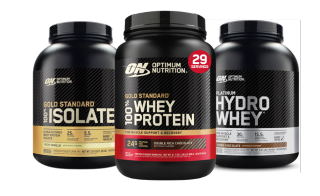
Whey is a fast-digesting, high-quality milk protein rich in essential amino acids, especially leucine, which stimulates muscle protein synthesis (MPS).
Forms:
Concentrate (contains lactose/fat),
Isolate (higher protein, lower lactose)
Hydrolysate (partially pre-digested).
Supports muscle protein synthesis and repair after training.
Best for: post-workout recovery, meeting daily protein needs, muscle maintenance and growth.
Typical serving: 20–40 g protein. Timing: pre- or post-workout both effective; total daily protein intake is most important. Not necessary if: protein needs are consistently met through food.
Not suitable for milk allergy. Lactose-sensitive individuals should prefer isolate or plant protein.
Jäger et al., 2017
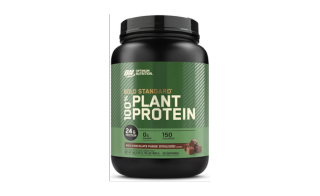
Protein derived from multiple plant sources (e.g. pea, rice) combined to provide a complete essential amino acid profile.
Supports muscle repair and maintenance similarly to animal protein when total intake is sufficient. Best for: plant-based or dairy-free diets.
Typical serving: 20–40 g protein. Choose blended sources for better amino acid balance.
Not necessary if: adequate protein is already consumed via whole foods.
May cause bloating in sensitive individuals depending on fiber content.
Jäger et al., 2017
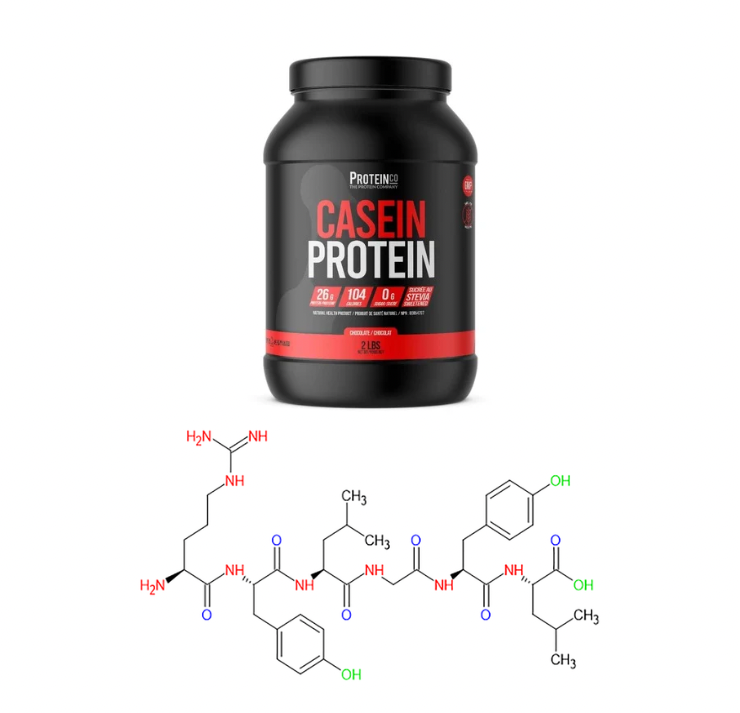
Casein is a slow-digesting milk protein that releases amino acids gradually over several hours.
Reduces overnight muscle protein breakdown and supports recovery. Best for: overnight recovery, long gaps between meals.
Typical serving: 20–40 g before sleep.
Not necessary if: daily protein needs are already well met.
Not suitable for milk allergy or intolerance.
-
Reis, C. E. G., et al. (2021). Effects of pre-sleep protein consumption on muscle-related outcomes: A systematic review. Nutrients. PubMed
-
Groen, B. B. L., et al. (2012). Protein ingestion before sleep improves postexercise overnight recovery. Medicine & Science in Sports & Exercise.
-

Performance & Endurance Support Supplement
Those supplement group helps improves training capacity, fatigue resistance, blood flow, or hydration during exercise
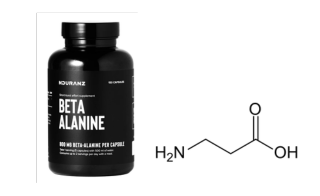
Beta-Alanine
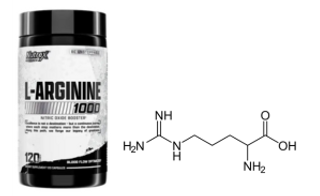
L-Arginine
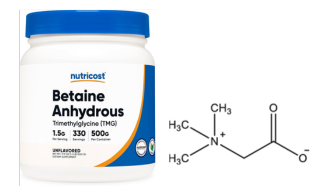
Betaine (Trimethylglycine)
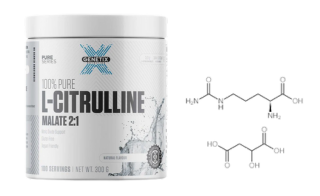
Citrulline Malate
A non-essential amino acid that increases muscle carnosine concentrations.
It raises muscle carnosine → buffers acidity during hard efforts → improves performance most clearly in intense bouts ~1–4 minutes
Buffers acid buildup in muscles, delaying fatigue during high-intensity exercise.
Best for: HIIT, interval training, repeated efforts, CrossFit-style training, hard intervals.
Typical dosage: 4–6 g/day for ≥2–4 weeks. Split doses to improve tolerance.
Not necessary if: training is low intensity.
May cause harmless tingling (paresthesia), especially at high doses.
Trexler, E. T., Smith-Ryan, A. E., Stout, J. R., Hoffman, J. R., Wilborn, C. D., Sale, C., … Antonio, J. (2015). International society of sports nutrition position stand: Beta-alanine. Journal of the International Society of Sports Nutrition, 12, 30
Change the text and add your own content, including any information that is relevant to share.
This is a paragraph where you can include any information you’d like. It’s an opportunity to tell a story about the company.
This is a paragraph where you can include any information you’d like. It’s an opportunity to tell a story about the company.
This is a paragraph where you can include any information you’d like. It’s an opportunity to tell a story about the company.
This is a paragraph where you can include any information you’d like. It’s an opportunity to tell a story about the company.
Change the text and add your own content, including any information that is relevant to share.
This is a paragraph where you can include any information you’d like. It’s an opportunity to tell a story about the company.
This is a paragraph where you can include any information you’d like. It’s an opportunity to tell a story about the company.
This is a paragraph where you can include any information you’d like. It’s an opportunity to tell a story about the company.
Ismaeel, A. (2017). Effects of betaine supplementation on muscle strength and power: A systematic review. Journal of Strength and Conditioning Research, 31(8), 2338–2346.
An amino acid compound involved in nitric oxide production and blood flow regulation.
It increases arginine availability → supports nitric oxide pathways and blood flow; may improve resistance exercise repetitions/endurance in some contexts
Improves blood flow and exercise endurance; may reduce fatigue.
Best for: pre-workout performance, endurance, “pump” support, higher-rep lifting, hard training sessions
Typical dosage: 6–8 g taken 40–60 minutes pre-workout.
Not necessary if:
-
Pre-workout supplements are not used.
-
You dislike pre-workout routines or you already perform well without it.
-
May cause mild digestive discomfort in some individuals.
-
Gough, L. A., et al. (2021). A critical review of citrulline malate supplementation and exercise performance. Nutrients. PMC
-
Vårvik, F. T., et al. (2021). Acute effect of citrulline malate on repetition performance. International Journal of Sport Nutrition and Exercise Metabolism.
-

Recovery Phase: Muscle Repair, Preservation & Joint Support
Add paragraph text. Click “Edit Text” to update the font, size and more. To change and reuse text themes, go to Site Styles.
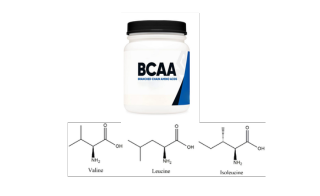
BCAAs
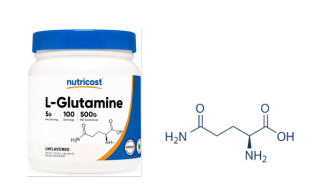
L-Glutamine
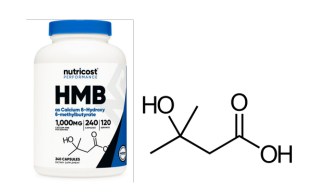
HMB (β-Hydroxy β-Methylbutyrate)
A conditionally essential amino acid used by immune and intestinal cells; evidence is stronger for gut/immune support under heavy stress than for direct muscle gain.
Supports recovery and immune function during heavy training stress. Best for: high training volume, recovery support.
Typical dosage: 5–10 g/day.
Not necessary if: primary goal is muscle gain and recovery is adequate.
Generally safe in healthy individuals, consult if you have medical conditions.
National Institutes of Health, Office of Dietary Supplements. (2021). Dietary supplements for exercise and athletic performance (Health Professional Fact Sheet).
A conditionally essential amino acid used by immune and intestinal cells; evidence is stronger for gut/immune support under heavy stress than for direct muscle gain.
Supports recovery and immune function during heavy training stress. Best for: high training volume, recovery support.
Typical dosage: 5–10 g/day.
Not necessary if: primary goal is muscle gain and recovery is adequate.
Generally safe in healthy individuals, consult if you have medical conditions.
National Institutes of Health, Office of Dietary Supplements. (2021). Dietary supplements for exercise and athletic performance (Health Professional Fact Sheet).
A metabolite of the amino acid leucine.
Leucine metabolite; may reduce muscle protein breakdown and support recovery, especially in beginners/older adults or during calorie restrictionReduces muscle protein breakdown and supports muscle preservation. Best for: beginners, older adults, calorie-restricted phases.
Typical dosage: 3 g/day. Not necessary if: experienced lifters with adequate protein intake.
Considered safe at commonly used doses in studied populations.
Wilson, J. M., et al. (2013). International Society of Sports Nutrition position stand: β-hydroxy-β-methylbutyrate (HMB). Journal of the International Society of Sports Nutrition, 10, 6


Contact Info
BetterHealthGuide
Category pages
© 2026 by Better Health Guide
Proudly designed by Nguyet Anh Bui
Research & Information Sources
All educational content on BetterHealthWay is informed by publicly available research, consensus statements, and health guidance from the following reputable organizations and institutions.







Contact Info
BetterHealthGuide
© 2026 by Better Health Guide
Proudly designed by Nguyet Anh Bui