
Explore Health and Wellness Supplements
for people who want to support everyday health, fill nutritional gaps, or address common concerns that arise from modern lifestyles, stress, aging, or limited time for perfectly balanced meals.
General Health Supplements
Overview
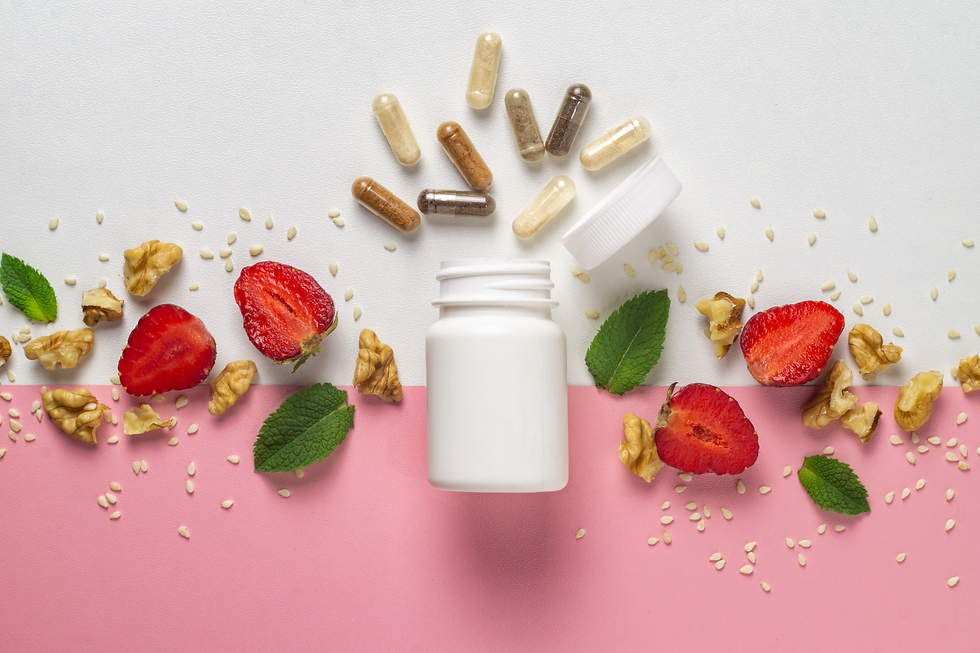
General health supplements are designed to support the body’s foundational systems—such as skin integrity, bone strength, cognitive function, and digestive balance. Rather than targeting a single outcome, these supplements help maintain overall well-being and long-term resilience.
This category is for people who want to support everyday health, fill nutritional gaps, or address common concerns that arise from modern lifestyles, stress, aging, or limited time for perfectly balanced meals.
Category
Introduction
General health supplements are designed to support the body’s foundational systems—such as skin integrity, bone strength, cognitive function, and digestive balance. Rather than targeting a single outcome, these supplements help maintain overall well-being and long-term resilience.
This category is for people who want to support everyday health, fill nutritional gaps, or address common concerns that arise from modern lifestyles, stress, aging, or limited time for perfectly balanced meals.

Skin, Hairs & Nail

Brain & Cognitive Health
Bone & Joint Health

Gut & Digestive Health

Skin & Hair Health
Skin and hair health are influenced by collagen production, antioxidant protection, nutrient availability, and cellular turnover.
Supplements in this section support skin structure, elasticity, and hair strength through nutrients involved in collagen production, antioxidant protection, and cellular renewal—especially as these processes slow with age or stress
Bone & Joint Health
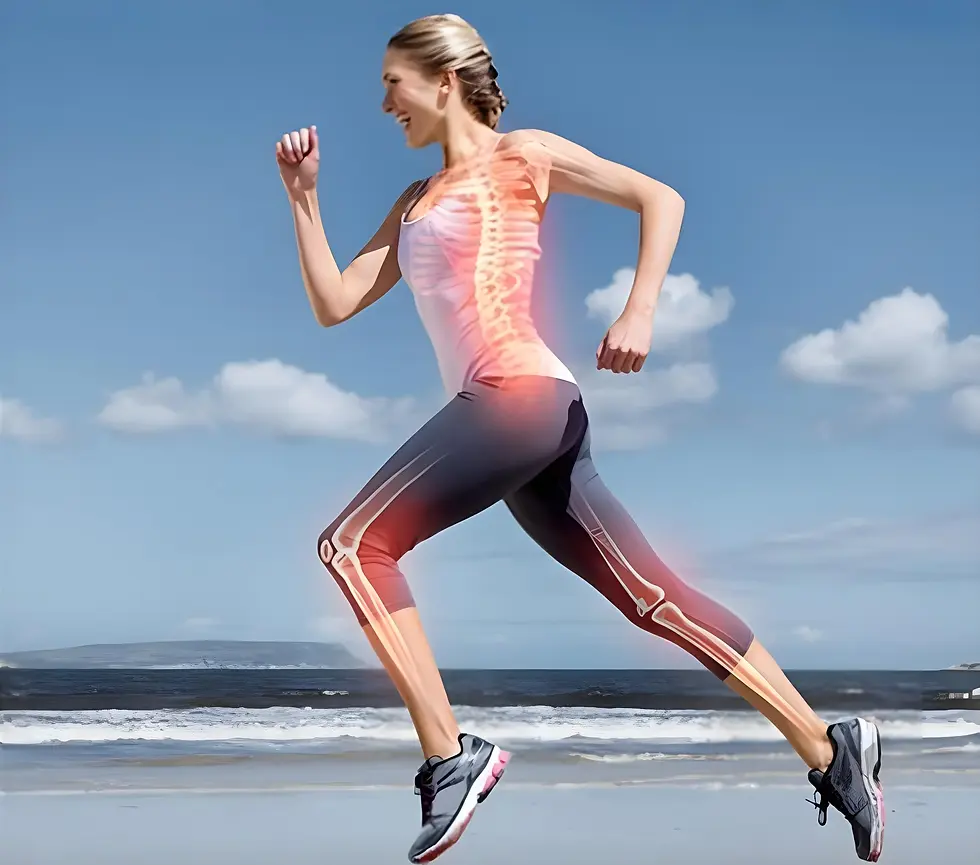
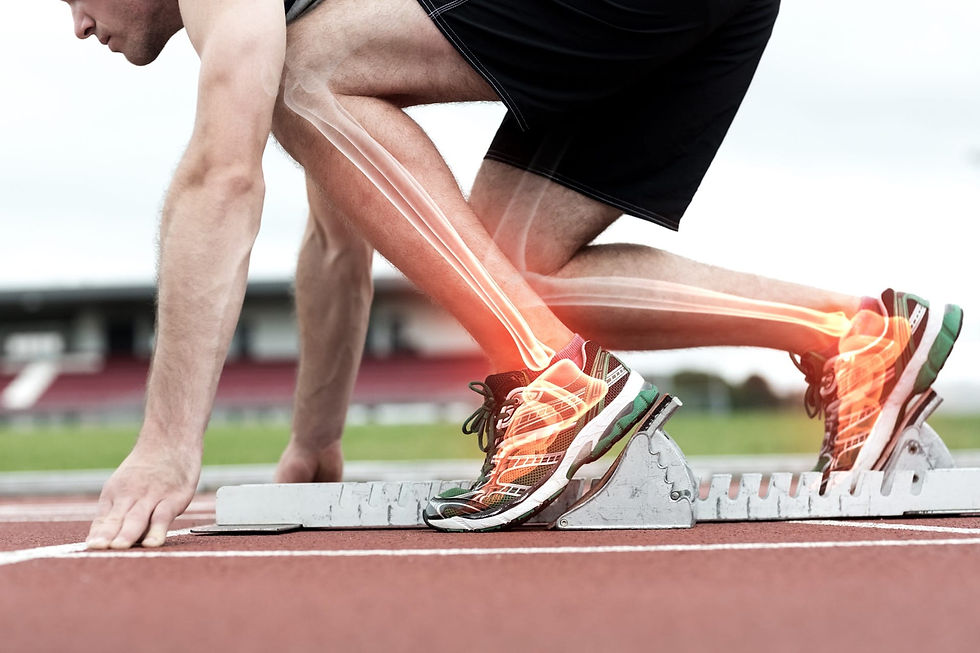
Bone and joint health rely on adequate mineral intake, collagen support, and healthy connective tissue. Supplements in this category help support bone density, joint comfort, and mobility, especially for aging individuals or those with physically demanding lifestyles.
Gut & Digestive Health
Gut health plays a central role in digestion, nutrient absorption, immune function, and overall well-being. A balanced gut environment supports energy levels, skin health, and even mental clarity.
Supplements in this category help support digestive comfort and microbial balance.

Choosing the Right General Health Supplements
The best supplements depend on:
-
Your current health priorities
-
Diet and lifestyle habits
-
Age and stress levels
-
Long-term wellness goals


Brain & Cognitive Health
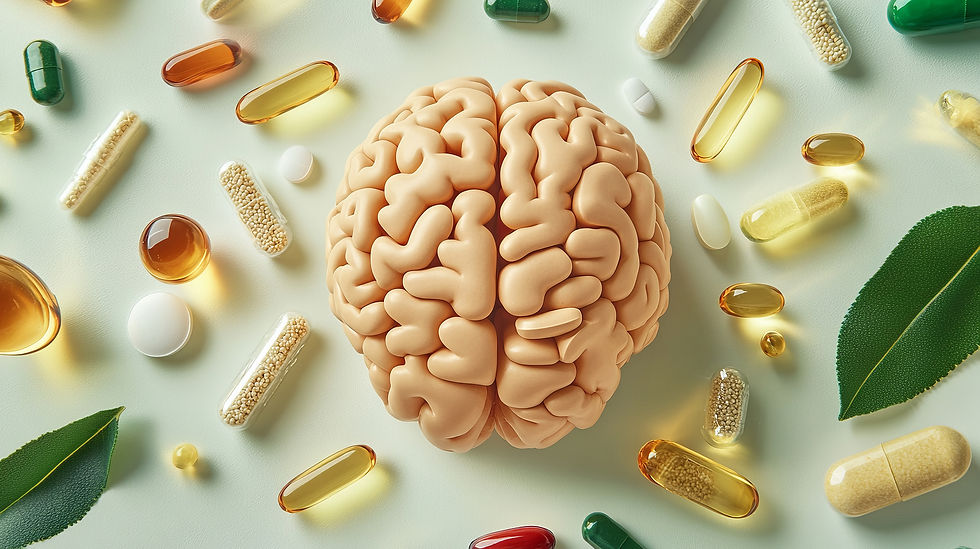
Cognitive health involves energy metabolism, blood flow, neurotransmitter balance, and protection against oxidative stress. Supplements in this section support focus, memory, mental clarity, and stress resilience, particularly during aging or periods of high mental demand.
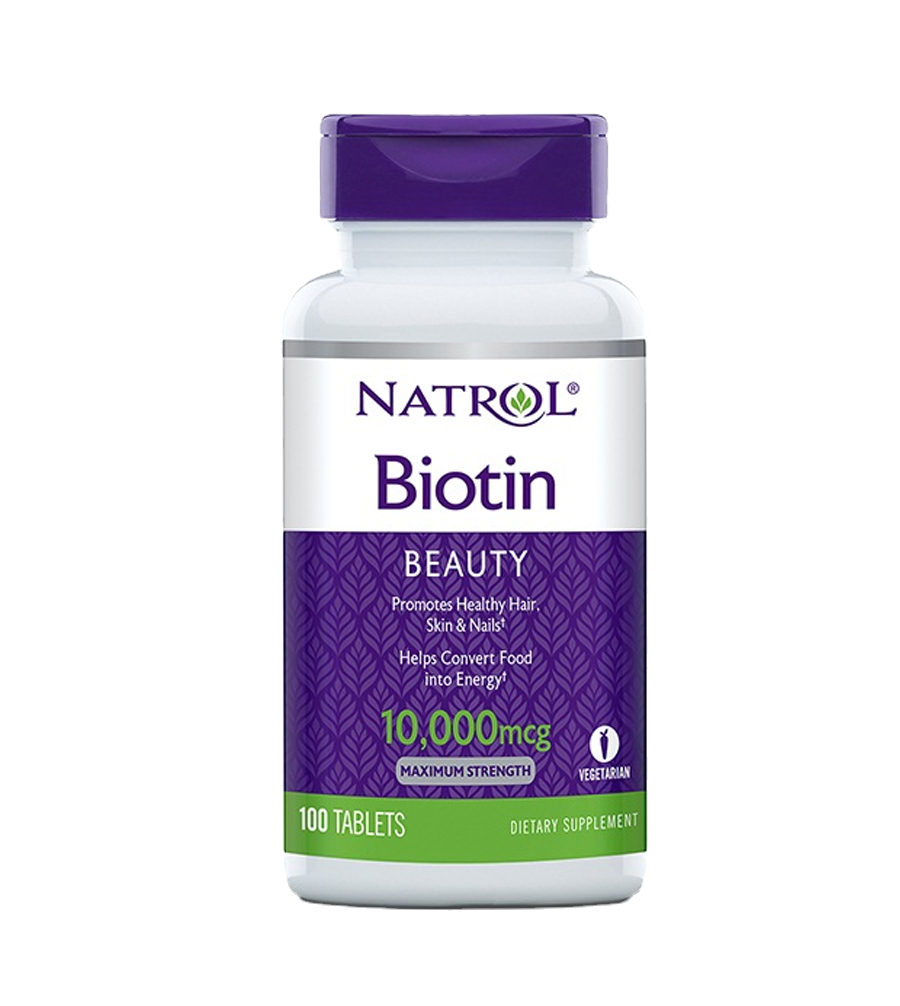
Biotin (vitamin B7) is a water-soluble B vitamin involved in fatty acid metabolism and keratin infrastructure. It is naturally found in foods like eggs, nuts, and legumes. After ingestion, biotin acts as a coenzyme in cellular metabolic reactions.
Benefits (Scientific)
Biotin supports keratin synthesis, a key structural protein in hair and nails. Deficiency is associated with brittle nails and hair thinning, though benefits are most evident when deficiency exists.
Intended Users, Dosage & Usage-
Intended for: people with brittle nails, hair thinning, low dietary intake
-
Typical dosage: 30–100 mcg/day
-
How to take: once daily, with or without food
Side Effects, Warnings & Safety
-
Generally safe at recommended doses
-
High doses may interfere with lab test results
Research References
-
NIH Office of Dietary Supplements. (2023). Biotin Fact Sheet.
-
Zempleni, J. et al. (2009). Biotin metabolism. Journal of Nutrition.

-
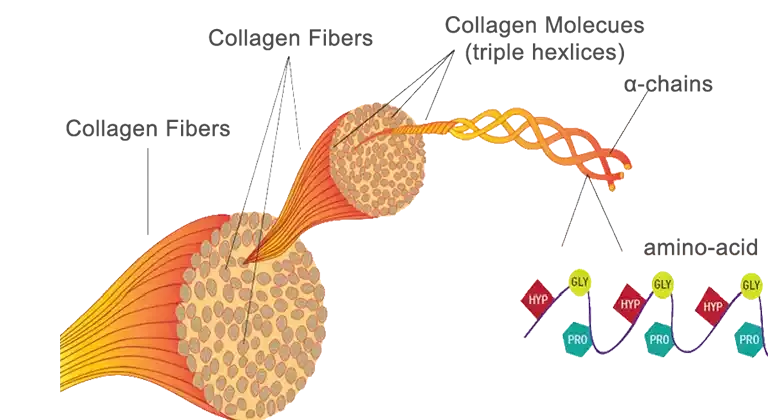
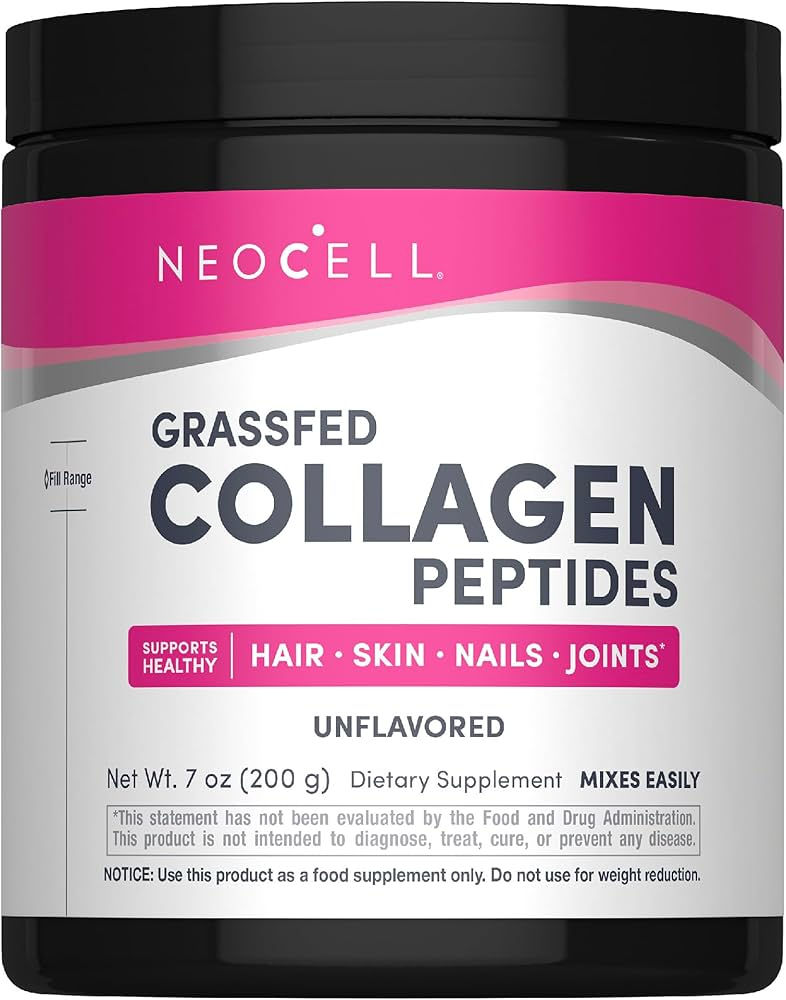
Collagen is the most abundant structural protein in the body. Supplemental collagen is typically provided as hydrolyzed collagen peptides, which are broken into smaller peptides to support absorption.
Benefits (Scientific)
Collagen peptides provide amino acids used in dermal matrix synthesis. Studies show modest improvements in skin elasticity and hydration with consistent use.Intended Users, Dosage & Usage
-
Intended for: skin aging, elasticity support
-
Typical dosage: 2.5–10 g/day
-
Best taken: daily, often with vitamin C
Side Effects, Warnings & Safety
-
Generally safe at recommended doses
-
Not a complete protein
Research References
Proksch, E., et al. (2014). Collagen peptides and skin health. Skin Pharmacology and Physiology.
-
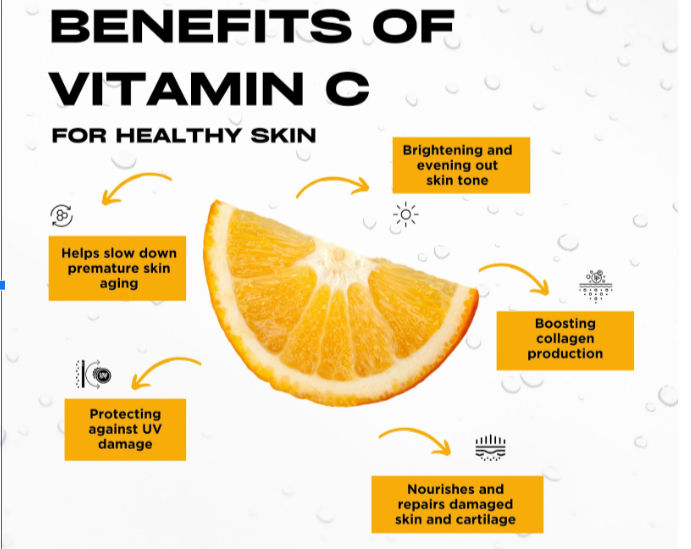
Biotin (vitamin B7) is a water-soluble B vitamin involved in fatty acid metabolism and keratin infrastructure. It is naturally found in foods like eggs, nuts, and legumes. After ingestion, biotin acts as a coenzyme in cellular metabolic reactions.
Benefits (Scientific)
Biotin supports keratin synthesis, a key structural protein in hair and nails. Deficiency is associated with brittle nails and hair thinning, though benefits are most evident when deficiency exists.
Intended Users, Dosage & Usage-
Intended for: people with brittle nails, hair thinning, low dietary intake
-
Typical dosage: 30–100 mcg/day
-
How to take: once daily, with or without food
Side Effects, Warnings & Safety
-
Generally safe at recommended doses
-
High doses may interfere with lab test results
Research References
-
NIH Office of Dietary Supplements. (2023). Biotin Fact Sheet.
-
Zempleni, J. et al. (2009). Biotin metabolism. Journal of Nutrition.
-
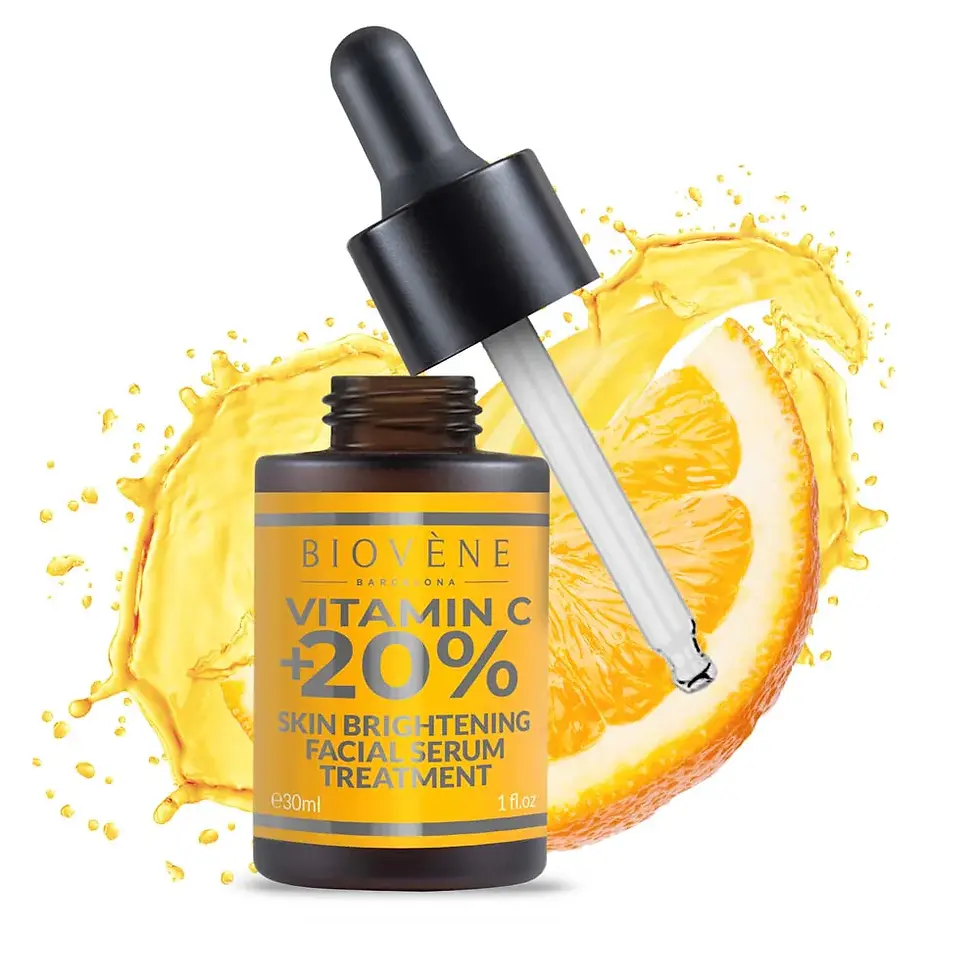
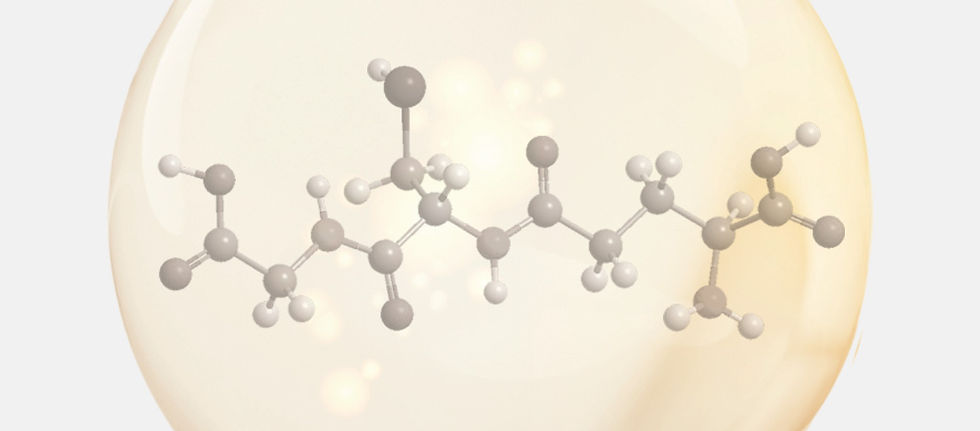
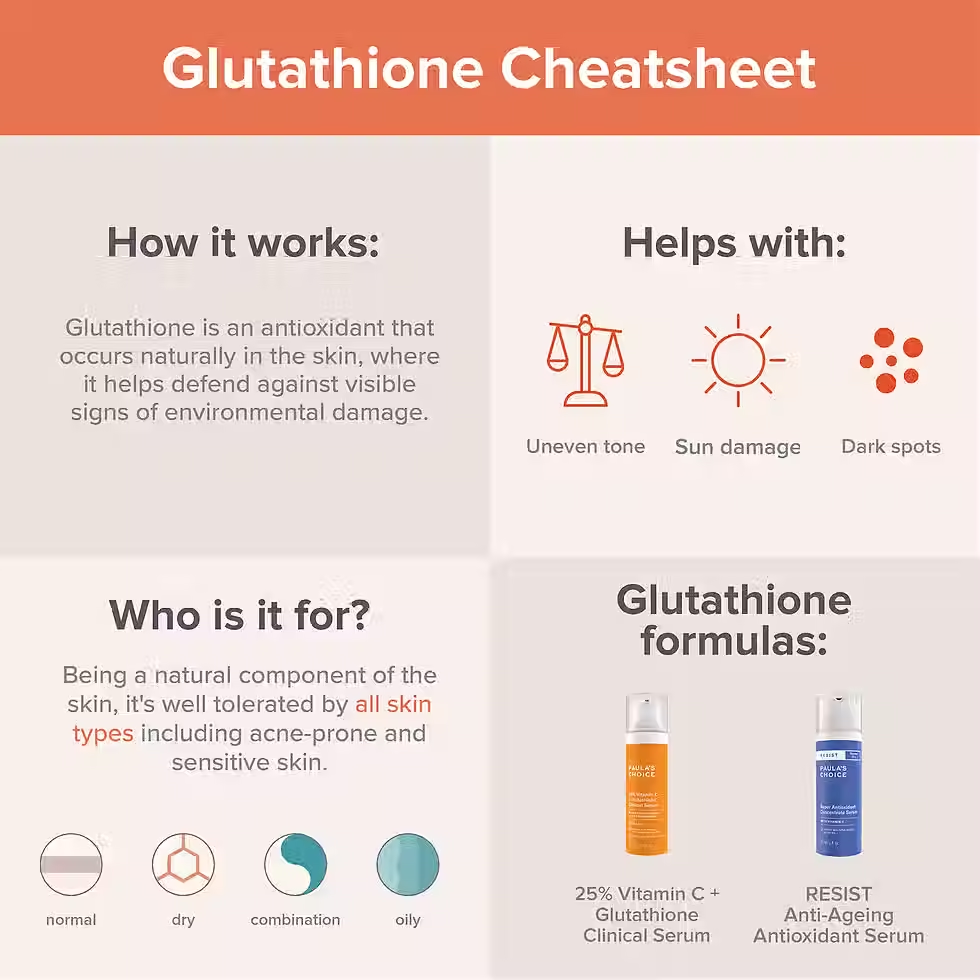
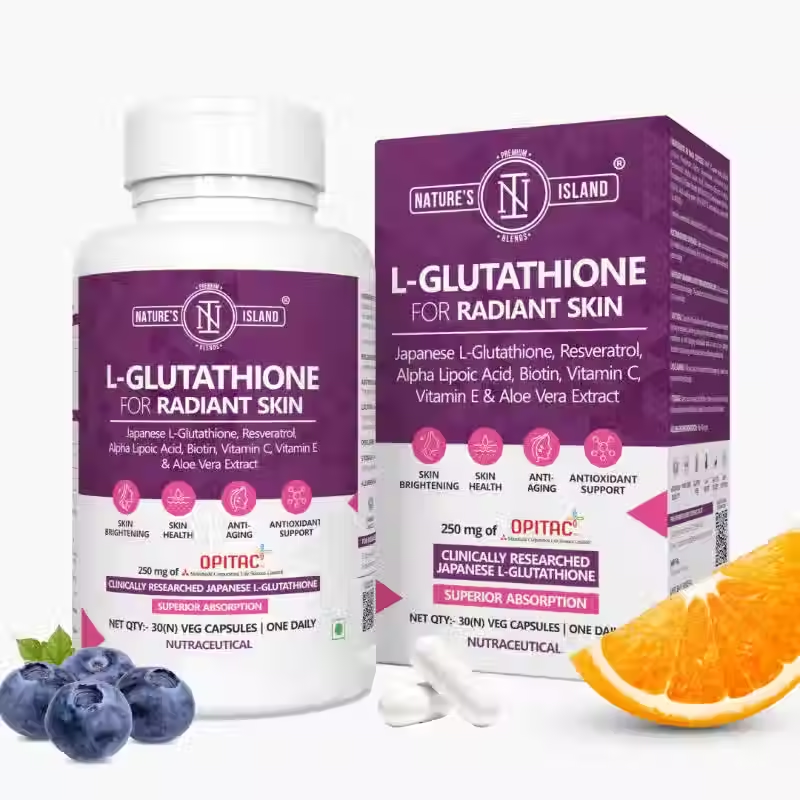
Glutathione is a naturally occurring tripeptide (made of glutamate, cysteine, and glycine) and a major intracellular antioxidant involved in detoxification and cellular redox balance.
Benefits (Scientific)
Glutathione supports cellular defense against oxidative stress and contributes to antioxidant capacity. Effects depend on formulation and individual metabolism.Intended Users, Dosage & Usage
-
Intended for: antioxidant and skin support
-
Typical dosage: 250–500 mg/day
-
Best taken: daily; sometimes paired with precursors (e.g., NAC)
Side Effects, Warnings & Safety
-
Generally well tolerated
-
Oral bioavailability varies by formulation
Research References
-
Wu, G., et al. (2004). Glutathione metabolism and function. Journal of Nutrition.
-


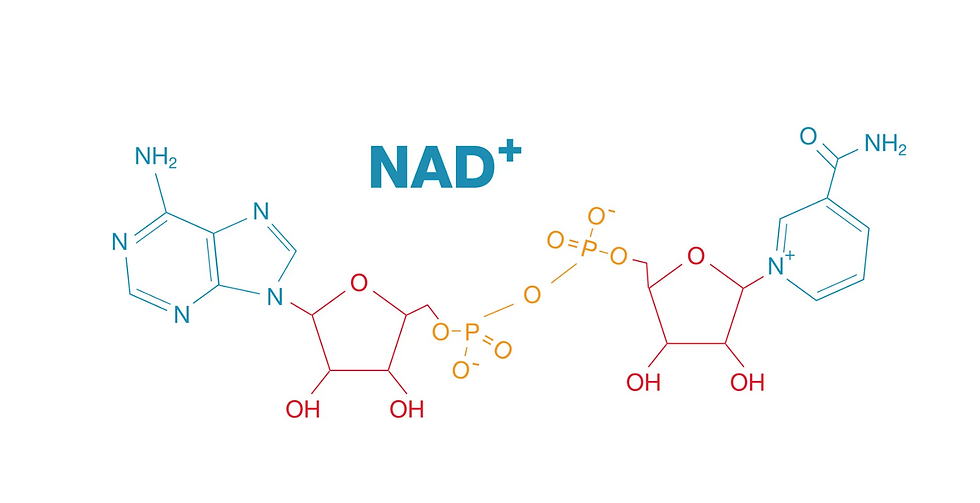
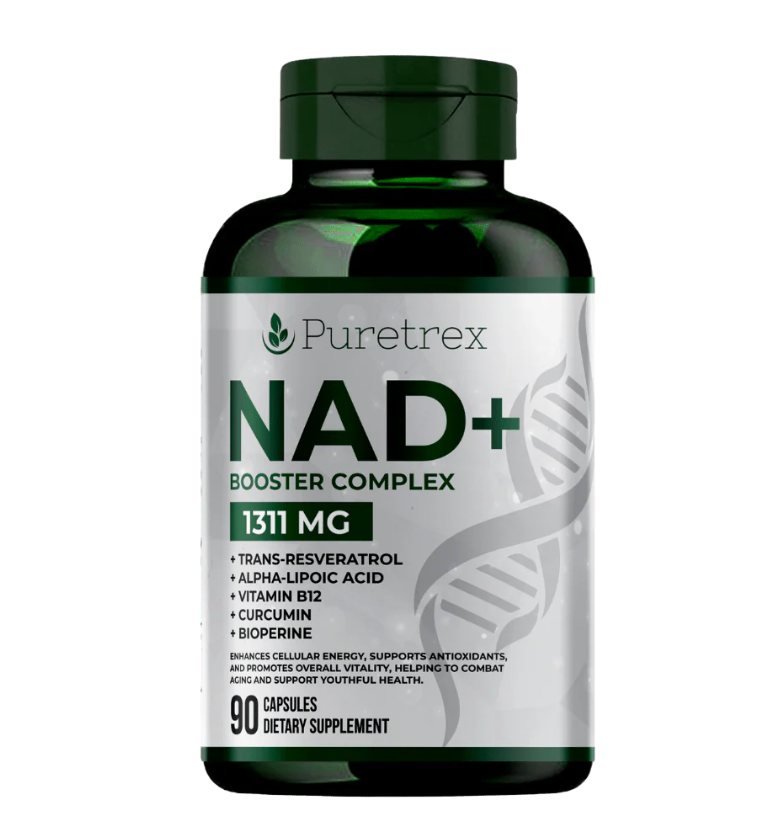
NAD⁺ (nicotinamide adenine dinucleotide) is a coenzyme present in all living cells and is essential for cellular energy production, DNA repair, and mitochondrial function. Because NAD⁺ levels decline with age, supplements typically provide precursors such as NMN (nicotinamide mononucleotide) or NR (nicotinamide riboside), which the body converts into NAD⁺.
Benefits (Scientific)
NAD⁺ plays a central role in mitochondrial energy metabolism and cellular repair processes. Supporting NAD⁺ levels may help maintain cognitive function, cellular resilience, and brain energy metabolism, particularly with aging. Human evidence is emerging, with stronger support for cellular and metabolic mechanisms than direct cognitive outcomes.
Intended Users, Dosage & Usage
Intended for: cognitive support, age-related energy decline, cellular health focus
Typical dosage:
-
NMN: 250–500 mg/day
-
NR: 300–500 mg/day
Best taken: once daily, often in the morning; can be taken with or without food
Side Effects, Warnings & Safety
-
Generally well tolerated in studied doses
-
Long-term human data is still limited
-
Not recommended during pregnancy or breastfeeding due to lack of data
Research References
-
NIH National Center for Biotechnology Information. (2021). NAD⁺ metabolism and aging. Cell Metabolism.
Trammell, S. A. J., et al. (2016). Nicotinamide riboside increases NAD⁺ in humans. Nature Communications.
Yoshino, J., et al. (2021). Effects of NMN supplementation in humans. Science.
-
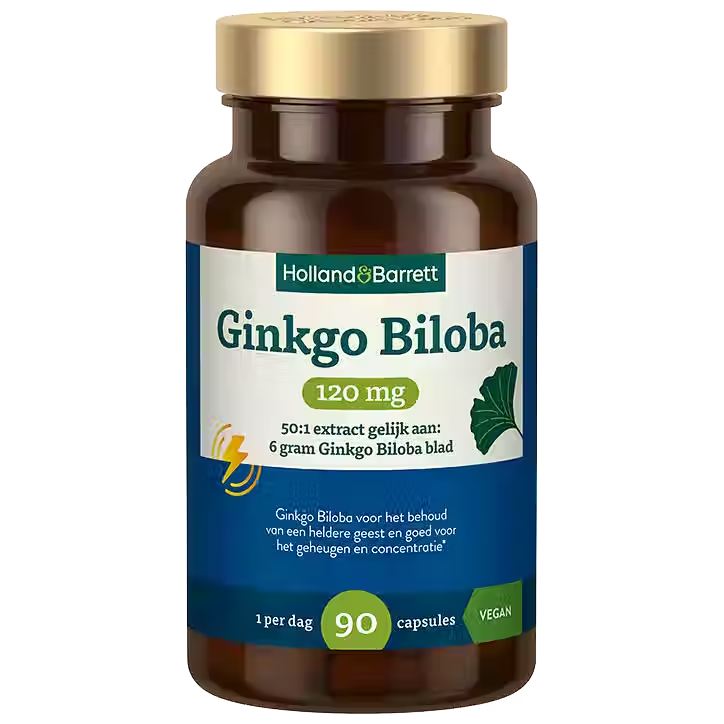
Ginkgo biloba is a botanical extract typically standardized to flavonoids and terpene lactones. It is commonly used to support circulation and cognitive function.

Benefits (Scientific):
Ginkgo may support cerebral blood flow and has been studied for cognitive function, particularly in older adults; results vary by population and outcome.
Intended Users, Dosage & Usage
-
Intended for: cognitive support, circulation support
-
Typical dosage: 120–240 mg/day
Side Effects, Warnings & Safety
Avoid with anticoagulant/blood-thinning medications Stop prior to surgery unless advised otherwise
Research References
Smith, J. V., & Luo, Y. (2016). Ginkgo biloba and cognition. Psychopharmacology.
-
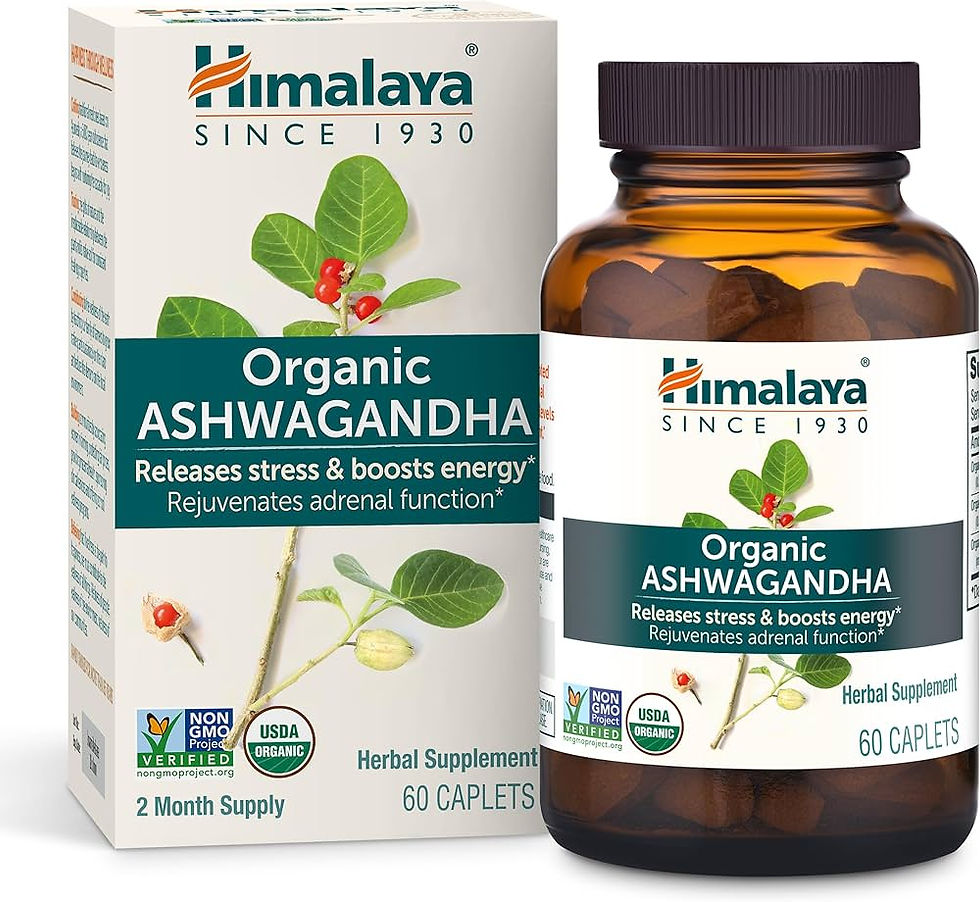
Ashwagandha (Withania somnifera) is an adaptogenic herb used traditionally in Ayurveda. Supplements often use standardized root extracts (withanolides).

Benefits (Scientific)
Ashwagandha supports stress regulation and may reduce stress-related fatigue, supporting mental resilience and cognitive performance under stress.
Intended Users, Dosage & Usage
Intended for: stress-related mental fatigue, resilience support
Typical dosage: 300–600 mg/day (standardized extract)
Best taken: daily, consistently
Side Effects, Warnings & Safety-
Avoid during pregnancy
-
Use caution with thyroid conditions or sedative medications
Research References
-
NIH Office of Dietary Supplements. (2023).
-
Lopresti, A. L., et al. (2019). Ashwagandha and stress. Medicine.
-
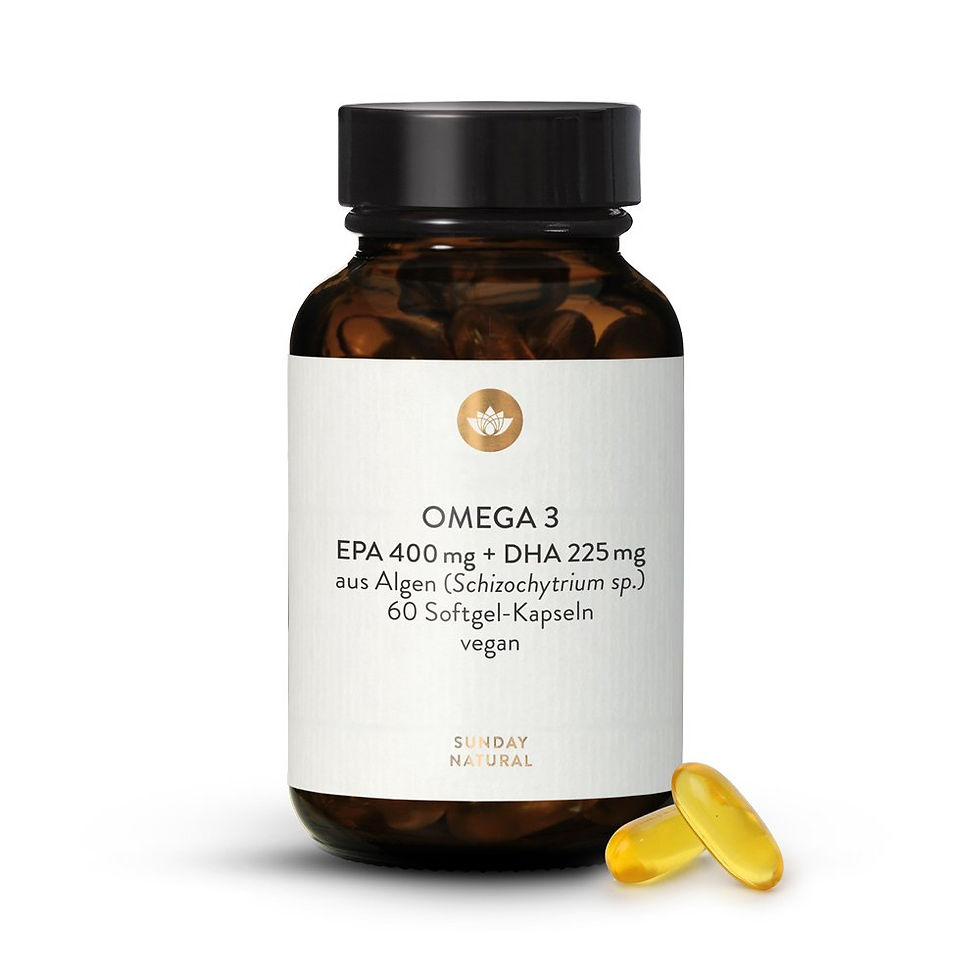
Omega-3 fatty acids (EPA and DHA) are essential polyunsaturated fats found mainly in fish and algae. DHA is a major structural component of brain cell membranes.

Benefits (Scientific)
Omega-3s support neuronal membrane integrity and inflammation balance, contributing to cognitive health and overall nervous system function.Intended Users, Dosage & Usage
-
Intended for: brain support, low fish intake
Typical dosage: 250–1,000 mg/day (EPA+DHA)
Best taken: with meals
Side Effects, Warnings & Safety
-
High doses may affect blood clotting
-
Choose quality products to reduce oxidation risk
Research References
-
NIH Office of Dietary Supplements. (2023). Omega-3 Fatty Acids Fact Sheet.
-

Calcium is a major mineral stored mainly in bones and teeth. It is essential for skeletal structure and is also required for muscle contraction, nerve transmission, and blood clotting.

Benefits (Scientific)
Calcium supports bone mineral density and normal neuromuscular function, particularly when dietary intake is insufficient.
Intended Users, Dosage & Usage
Intended for: low dairy intake, bone health support
Typical dosage: 1,000–1,200 mg/day (total intake from diet + supplement)
Best taken: split doses, with meals
Side Effects, Warnings & Safety-
Excess may increase risk of kidney stones
-
Consider vitamin D status for absorption suppor
Research References
-
NIH Office of Dietary Supplements. (2023). Calcium Fact Sheet.
-
WHO. (2013). Calcium intake and bone health.
-
Vitamin D is a fat-soluble, hormone-like vitamin produced in the skin via UVB exposure and obtained through diet/supplements. It is converted into active forms that regulate calcium balance.
Benefits (Scientific)
Vitamin D supports calcium absorption and bone mineralization and contributes to muscle function and immune regulation.
Intended Users, Dosage & Usage
Intended for: limited sun exposure, bone health
Typical dosage: 600–1,000 IU/day
Best taken: with fat-containing meals
Side Effects, Warnings & Safety-
Excess intake may cause elevated calcium levels
-
Fat-soluble; accumulates with high doses
Research Reference:
NIH Office of Dietary Supplements. (2023). Vitamin D Fact Sheet.
-
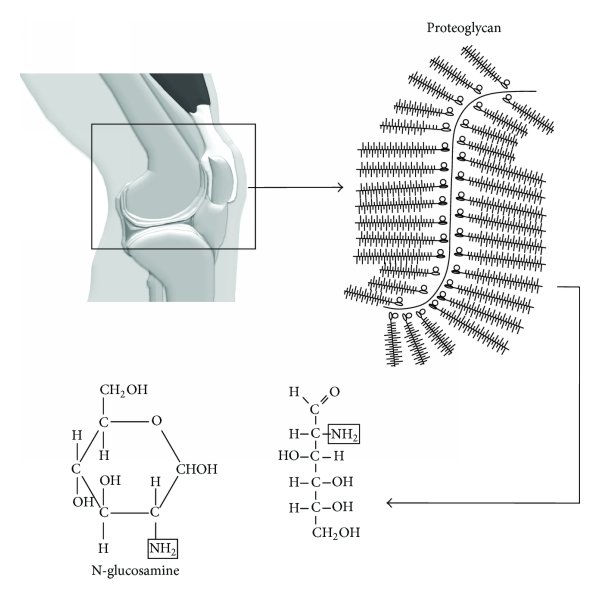
Glucosamine and chondroitin are compounds found naturally in cartilage. Supplements provide these compounds to support cartilage structure and joint function.
Benefits (Scientific)
They are commonly used for joint comfort and cartilage support. Evidence varies by individual and consistency of use.
Intended Users, Dosage & Usage
Intended for: joint support, long-term training, aging joints
Typical dosage: 1,200–1,500 mg/day (commonly for glucosamine)
Best taken: consistently over time
Side Effects, Warnings & Safety-
Generally safe
-
Shellfish allergy caution (some glucosamine sources)
Research References
-
NIH National Center for Complementary and Integrative Health. (2022). Glucosamine and Chondroitin.

-

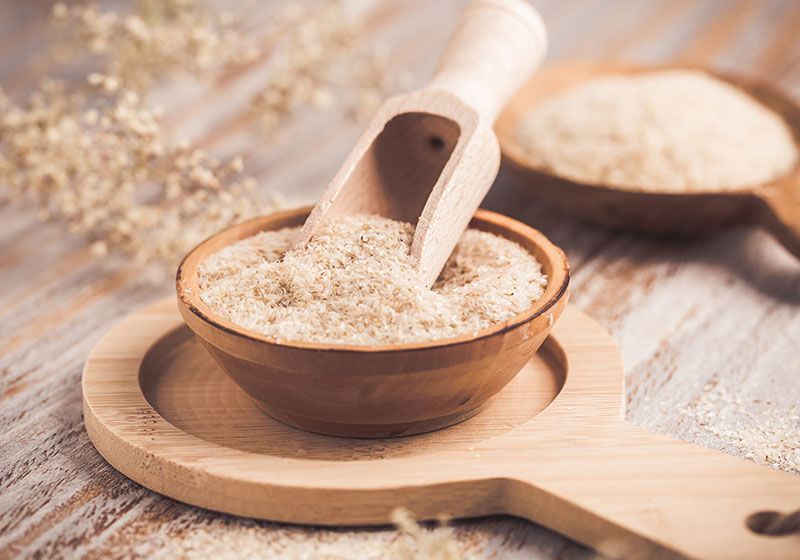
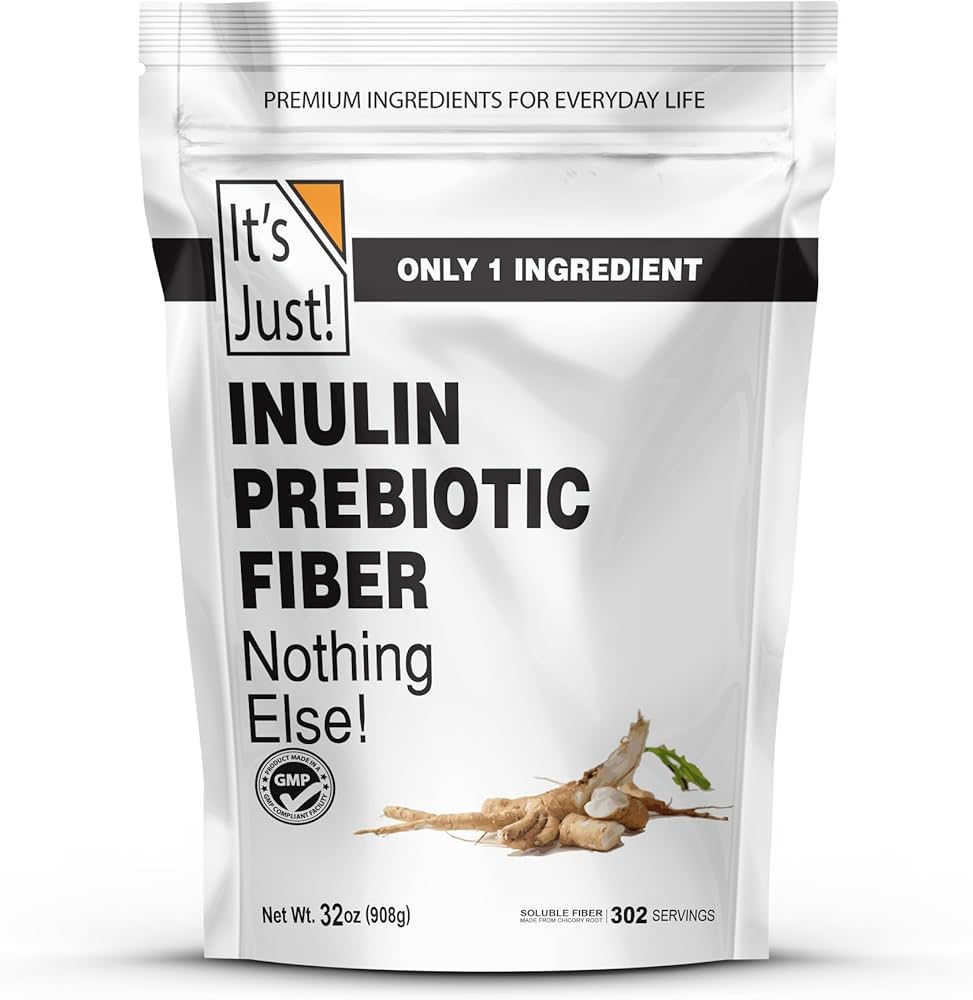
Dietary fiber refers to non-digestible carbohydrates that pass through the small intestine largely intact. Psyllium is a soluble, gel-forming fiber, while inulin is a fermentable prebiotic fiber found in plants.
Benefits (Scientific)
Fiber supports digestive regularity, improves stool consistency, and feeds beneficial gut bacteria. Adequate fiber intake is associated with improved gut barrier function and overall metabolic health.
Intended Users, Dosage & Usage
Intended for: low fiber intake, constipation, digestive regularity
Typical dosage: 5–10 g/day from supplements (plus diet)
Best taken: with sufficient water; increase gradually
Side Effects, Warnings & Safety-
Rapid increases may cause bloating or gas
-
Adequate hydration is essential
Research References
-
NIH Office of Dietary Supplements. (2023). Dietary Fiber Fact Sheet.
Slavin, J. (2013). Fiber and gut health. Nutrition.
-
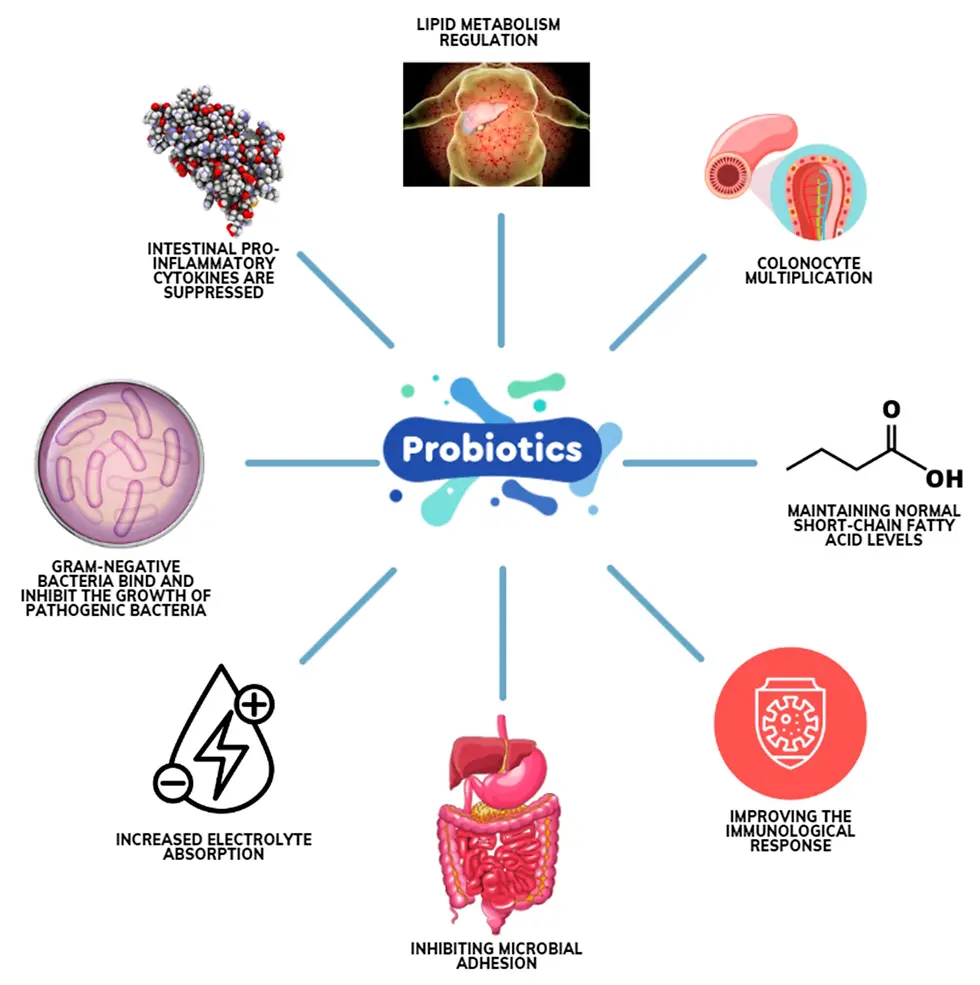
Probiotics are live microorganisms that may confer health benefits when consumed in adequate amounts. Prebiotics are fermentable fibers that selectively stimulate the growth of beneficial gut bacteria.
Benefits (Scientific)
Together, probiotics and prebiotics support microbiome balance, digestive comfort, and immune function. Benefits are strain-specific and depend on individual gut environments.
Intended Users, Dosage & UsageIntended for: digestive imbalance, antibiotic recovery, microbiome support
Typical dosage: varies by strain (CFU count) and prebiotic type
Best taken: daily, following product-specific guidance
Side Effects, Warnings & Safety-
Temporary bloating may occur during adaptation
-
Immunocompromised individuals should consult a healthcare professional
-
Fat-soluble; accumulates with high doses
Research Reference:
Hill, C., et al. (2014). Probiotics consensus statement. Nature Reviews Gastroenterology & Hepatology.
Gibson, G. R., et al. (2017). Prebiotics and gut health. Gastroenterology.-
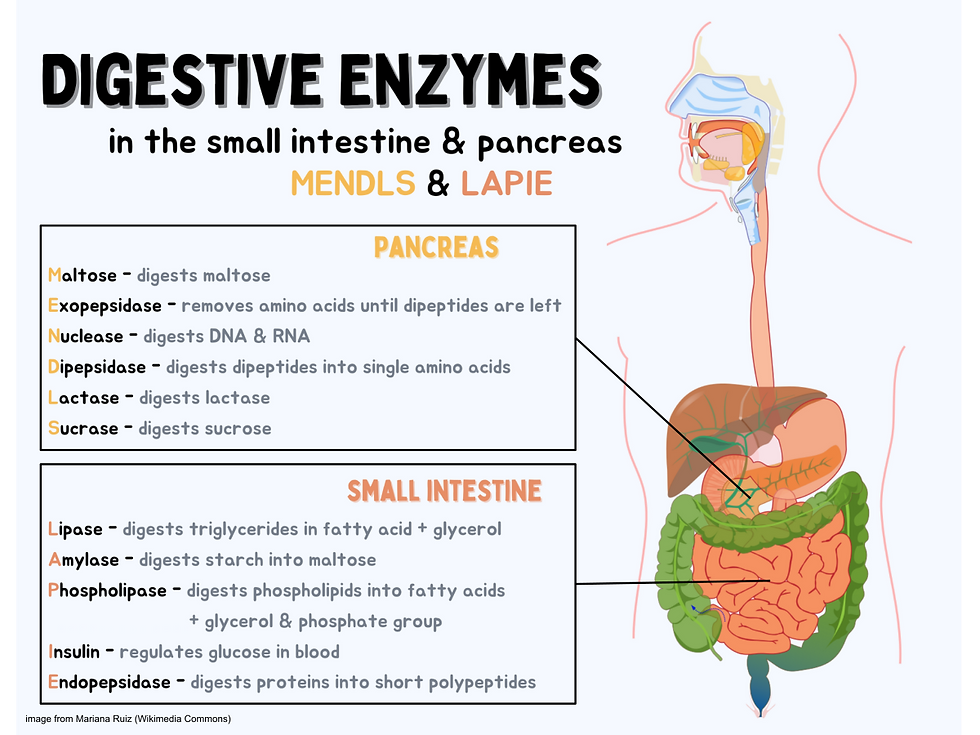
Digestive enzymes are proteins that assist in breaking down carbohydrates, proteins, and fats.
Common enzymes include amylase, protease, lipase, and lactase.
Benefits (Scientific)
Digestive enzymes support efficient food breakdown and may help reduce post-meal bloating or discomfort when endogenous enzyme production is insufficient.
Intended Users, Dosage & Usage
Intended for: bloating after meals, food digestion support
Typical dosage: varies by formulation
Best taken: immediately before or with meals
Side Effects, Warnings & Safety-
Generally safe when used as directed
-
Not intended to treat digestive disease
-
Research References
Research References
NIH National Center for Complementary and Integrative Health. (2022). Digestive Enzymes.
DiBaise, J. K., et al. (2018). Digestive enzyme supplementation. Current Gastroenterology Reports.
-
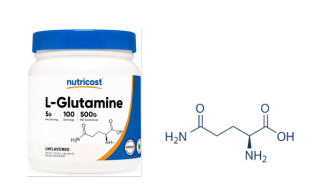
L-glutamine is an amino acid used as a primary fuel source by intestinal epithelial cells and immune cells. It becomes conditionally essential during periods of stress or illness.
Benefits (Scientific)
Glutamine supports gut barrier integrity and intestinal cell repair, particularly during physical stress, illness, or intense training.
Intended Users, Dosage & Usage
Intended for: gut stress, digestive recovery, heavy training
Typical dosage: 5–10 g/day
Best taken: daily; timing flexibleSide Effects, Warnings & Safety
-
Generally well tolerated in healthy individuals
-
Consult a professional if managing medical conditions
Research References
Kim, M. H., & Kim, H. (2017). Glutamine and gut health. Journal of Nutrition.
Newsholme, P., et al. (2003). Glutamine metabolism. Journal of Nutrition.-
Disclaimer
This content is for educational purposes only and does not replace professional medical advice. Individual needs vary
Learn more by Category
Skin & Hair Health
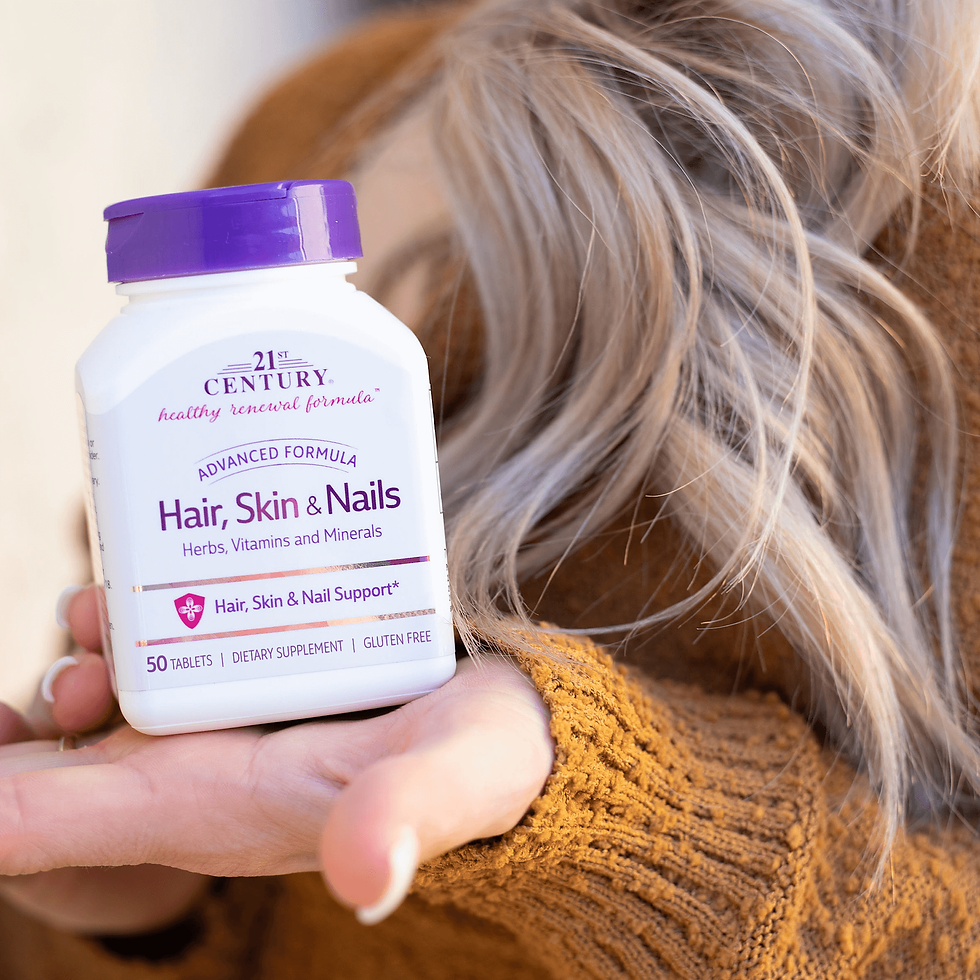
Skin and hair health are influenced by collagen production, antioxidant protection, nutrient availability, and cellular turnover. Supplements in this section support the body’s natural processes that maintain skin elasticity, hydration, and hair strength—especially as these processes slow with age or stress.
Biotin
Supports keratin production, which plays a role in hair, skin, and nail structure.
Collagen
Provides amino acids used in skin elasticity, connective tissue strength, and structural support.

Vitamin C
Essential for collagen synthesis and antioxidant protection.
Overview
Biotin (vitamin B7) is a water-soluble B vitamin that acts as a coenzyme in fatty acid, amino acid, and carbohydrate metabolism. It supports processes involved in keratin infrastructure.
Benefits (Scientific)
Biotin supports keratin structure and cellular metabolism. Deficiency is associated with brittle nails and hair thinning; benefits are most evident when deficiency exists.
Intended Users, Dosage & Usage
Intended for: brittle nails, hair thinning, low dietary intake
Typical dosage: 30–100 mcg/day
Best taken: once daily, with or without food
Side Effects, Warnings & Safety-
Generally safe at recommended doses
-
High doses may interfere with certain lab test results
Research References
NIH Office of Dietary Supplements. (2023). Biotin Fact Sheet.
Zempleni, J., et al. (2009). Biotin metabolism. Journal of Nutrition.-
Overview
Collagen is the most abundant structural protein in the body. Supplemental collagen is typically provided as hydrolyzed collagen peptides, which are broken into smaller peptides to support absorption.
Benefits (Scientific)
Collagen peptides provide amino acids used in dermal matrix synthesis. Studies show modest improvements in skin elasticity and hydration with consistent use.
Intended Users, Dosage & Usage
Intended for: skin aging, elasticity support
Typical dosage: 2.5–10 g/day
Best taken: daily, often with vitamin C
Side Effects, Warnings & Safety-
Generally well tolerated
-
Not a complete protein
Research References
Proksch, E., et al. (2014). Collagen peptides and skin health. Skin Pharmacology and Physiology.-
Overview:
Vitamin C (ascorbic acid) is a water-soluble vitamin and antioxidant required for collagen formation and immune function. Humans must obtain it through diet or supplements.
Benefits (Scientific)
Vitamin C is essential for collagen synthesis and antioxidant protection, helping protect skin from oxidative stress and supporting barrier integrity.
Intended Users, Dosage & Usage
Intended for: low fruit/vegetable intake, skin support
Typical dosage: 75–500 mg/day
Best taken: any time; divided doses may improve toleranceSide Effects, Warnings & Safety
-
Excess intake may cause digestive discomfort
-
Water-soluble; excess excreted
Research References
NIH Office of Dietary Supplements. (2023). Vitamin C Fact Sheet.
Pullar, J. M., et al. (2017). Vitamin C in skin health. Nutrients.-

Bone & Joint Health
Bone and joint health rely on adequate mineral intake, collagen support, and healthy connective tissue. Supplements in this category help support bone density, joint comfort, and mobility, especially for aging individuals or those with physically demanding lifestyles.
Calcium
Essential for maintaining bone strength and structural integrity.
Glucosamine & Chondroitin
Commonly used to support joint cartilage health and comfort.
Vitamin D & K
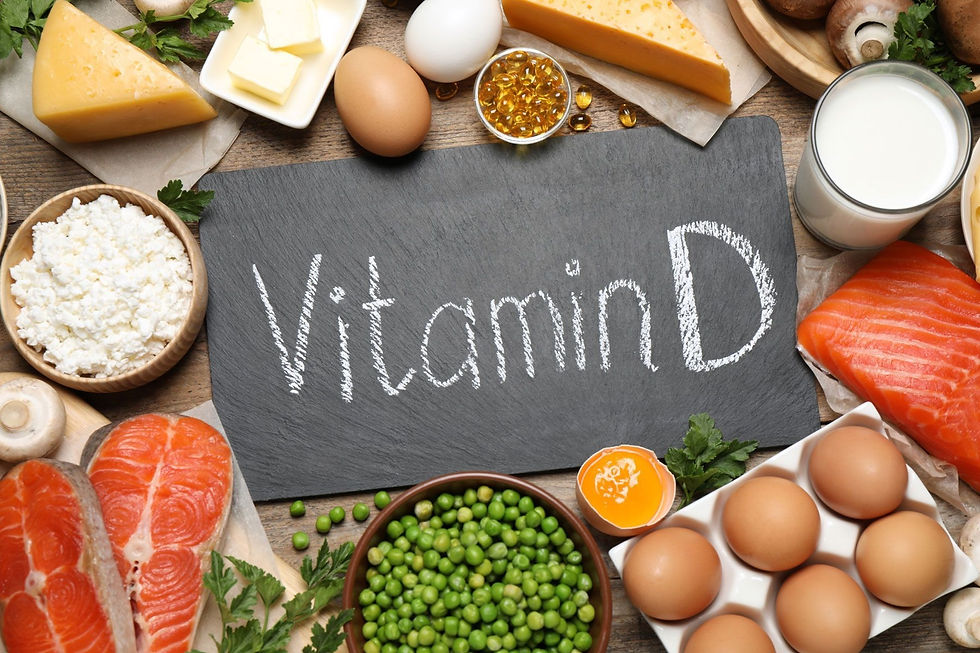
Vitamin D : Supports calcium absorption and bone mineralization.
Vitamin K: Helps regulate calcium placement in bones rather than soft tissues.
Overview
Collagen is the most abundant structural protein in the body. Supplemental collagen is typically provided as hydrolyzed collagen peptides, which are broken into smaller peptides to support absorption.
Benefits (Scientific)
Collagen peptides provide amino acids used in dermal matrix synthesis. Studies show modest improvements in skin elasticity and hydration with consistent use.
Intended Users, Dosage & Usage
Intended for: skin aging, elasticity support
Typical dosage: 2.5–10 g/day
Best taken: daily, often with vitamin C
Side Effects, Warnings & Safety-
Generally well tolerated
-
Not a complete protein
Research References
Proksch, E., et al. (2014). Collagen peptides and skin health. Skin Pharmacology and Physiology.-
Overview
Collagen is the most abundant structural protein in the body. Supplemental collagen is typically provided as hydrolyzed collagen peptides, which are broken into smaller peptides to support absorption.
Benefits (Scientific)
Collagen peptides provide amino acids used in dermal matrix synthesis. Studies show modest improvements in skin elasticity and hydration with consistent use.
Intended Users, Dosage & Usage
Intended for: skin aging, elasticity support
Typical dosage: 2.5–10 g/day
Best taken: daily, often with vitamin C
Side Effects, Warnings & Safety-
Generally well tolerated
-
Not a complete protein
Research References
Proksch, E., et al. (2014). Collagen peptides and skin health. Skin Pharmacology and Physiology.-
Overview
Collagen is the most abundant structural protein in the body. Supplemental collagen is typically provided as hydrolyzed collagen peptides, which are broken into smaller peptides to support absorption.
Benefits (Scientific)
Collagen peptides provide amino acids used in dermal matrix synthesis. Studies show modest improvements in skin elasticity and hydration with consistent use.
Intended Users, Dosage & Usage
Intended for: skin aging, elasticity support
Typical dosage: 2.5–10 g/day
Best taken: daily, often with vitamin C
Side Effects, Warnings & Safety-
Generally well tolerated
-
Not a complete protein
Research References
Proksch, E., et al. (2014). Collagen peptides and skin health. Skin Pharmacology and Physiology.-

Brain & Cognitive Health
Cognitive health involves energy metabolism, blood flow, neurotransmitter balance, and protection against oxidative stress. Supplements in this section support focus, memory, mental clarity, and stress resilience, particularly during aging or periods of high mental demand.
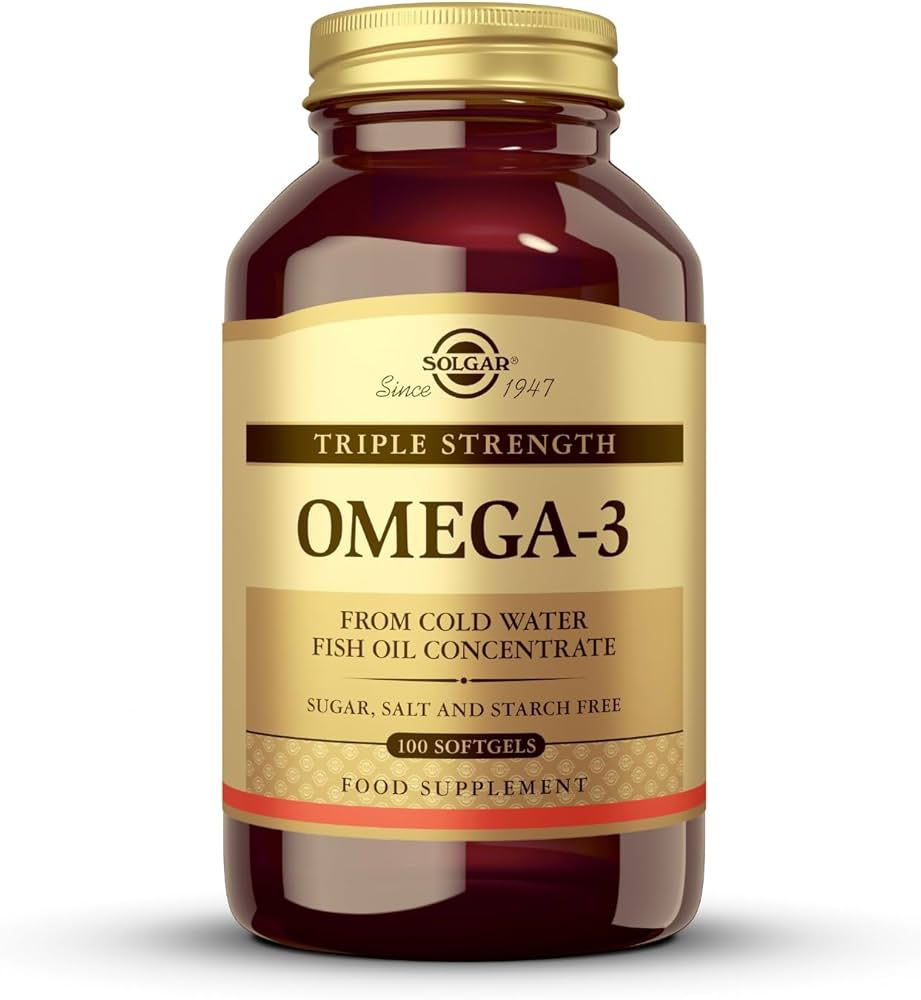
Omega-3 (DHA & EPA)
Supports brain structure, cognitive performance, and nervous system health.
NAD⁺ Precursors (NMN / NR)
Support cellular energy production and mitochondrial function.
Ginkgo Biloba
Supports blood flow to the brain and cognitive function.
Overview
Collagen is the most abundant structural protein in the body. Supplemental collagen is typically provided as hydrolyzed collagen peptides, which are broken into smaller peptides to support absorption.
Benefits (Scientific)
Collagen peptides provide amino acids used in dermal matrix synthesis. Studies show modest improvements in skin elasticity and hydration with consistent use.
Intended Users, Dosage & Usage
Intended for: skin aging, elasticity support
Typical dosage: 2.5–10 g/day
Best taken: daily, often with vitamin C
Side Effects, Warnings & Safety-
Generally well tolerated
-
Not a complete protein
Research References
Proksch, E., et al. (2014). Collagen peptides and skin health. Skin Pharmacology and Physiology.-
Overview
Collagen is the most abundant structural protein in the body. Supplemental collagen is typically provided as hydrolyzed collagen peptides, which are broken into smaller peptides to support absorption.
Benefits (Scientific)
Collagen peptides provide amino acids used in dermal matrix synthesis. Studies show modest improvements in skin elasticity and hydration with consistent use.
Intended Users, Dosage & Usage
Intended for: skin aging, elasticity support
Typical dosage: 2.5–10 g/day
Best taken: daily, often with vitamin C
Side Effects, Warnings & Safety-
Generally well tolerated
-
Not a complete protein
Research References
Proksch, E., et al. (2014). Collagen peptides and skin health. Skin Pharmacology and Physiology.-
Overview
Collagen is the most abundant structural protein in the body. Supplemental collagen is typically provided as hydrolyzed collagen peptides, which are broken into smaller peptides to support absorption.
Benefits (Scientific)
Collagen peptides provide amino acids used in dermal matrix synthesis. Studies show modest improvements in skin elasticity and hydration with consistent use.
Intended Users, Dosage & Usage
Intended for: skin aging, elasticity support
Typical dosage: 2.5–10 g/day
Best taken: daily, often with vitamin C
Side Effects, Warnings & Safety-
Generally well tolerated
-
Not a complete protein
Research References
Proksch, E., et al. (2014). Collagen peptides and skin health. Skin Pharmacology and Physiology.-
Gut Health
Gut health plays a central role in digestion, nutrient absorption, immune function, and overall well-being. A balanced gut environment supports energy levels, skin health, and even mental clarity.
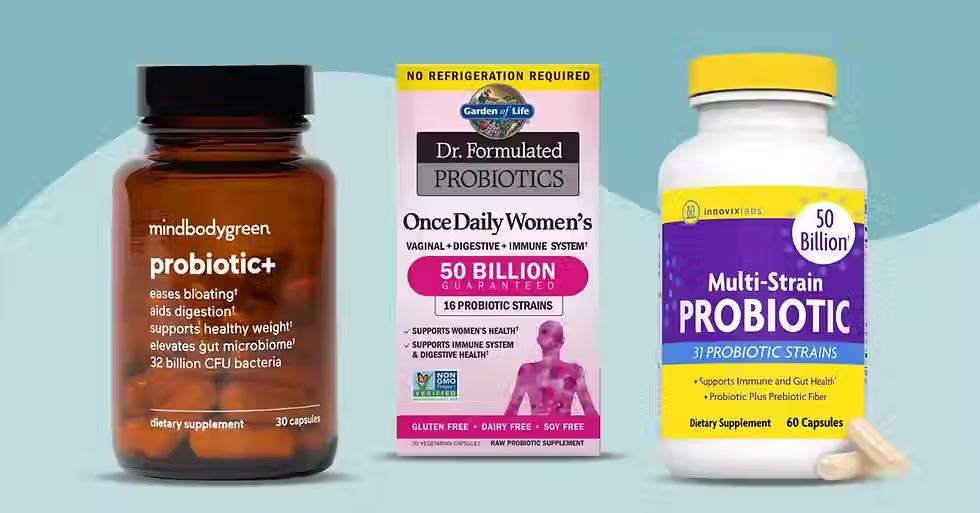
Prebiotics and probiotic
Supports brain structure, cognitive performance, and nervous system health.
Dietary Fiber (Psyllium Husk/ Inulin)
Support cellular energy production and mitochondrial function.
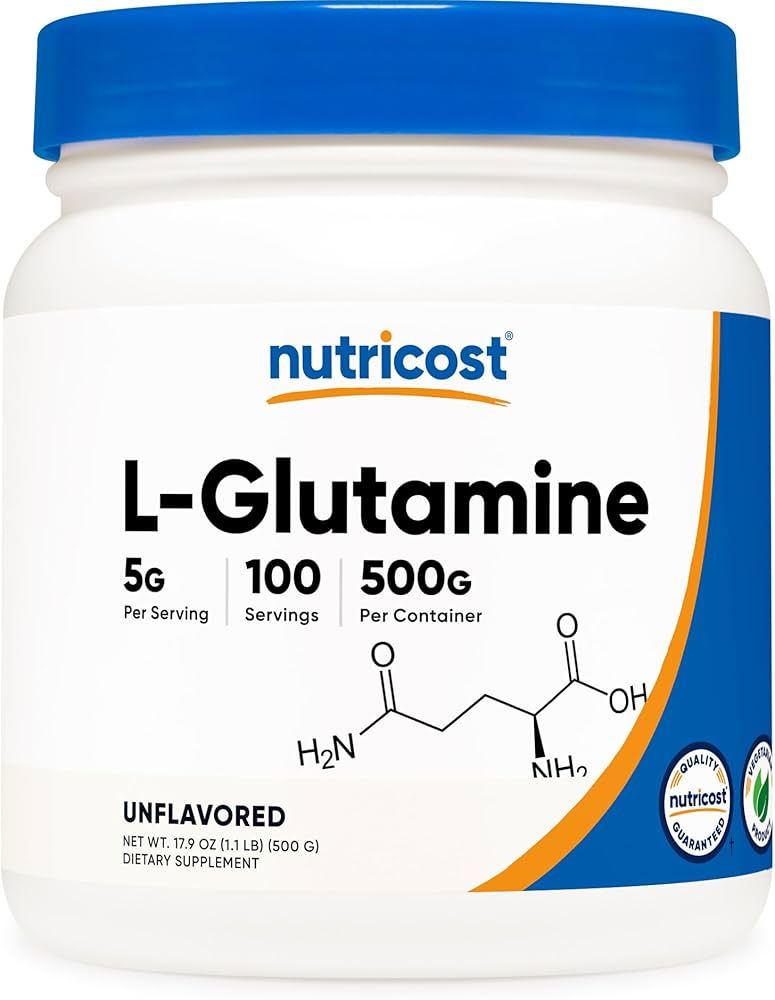
L-Glutamine
Supports blood flow to the brain and cognitive function.
Overview
Collagen is the most abundant structural protein in the body. Supplemental collagen is typically provided as hydrolyzed collagen peptides, which are broken into smaller peptides to support absorption.
Benefits (Scientific)
Collagen peptides provide amino acids used in dermal matrix synthesis. Studies show modest improvements in skin elasticity and hydration with consistent use.
Intended Users, Dosage & Usage
Intended for: skin aging, elasticity support
Typical dosage: 2.5–10 g/day
Best taken: daily, often with vitamin C
Side Effects, Warnings & Safety-
Generally well tolerated
-
Not a complete protein
Research References
Proksch, E., et al. (2014). Collagen peptides and skin health. Skin Pharmacology and Physiology.-
Overview
Collagen is the most abundant structural protein in the body. Supplemental collagen is typically provided as hydrolyzed collagen peptides, which are broken into smaller peptides to support absorption.
Benefits (Scientific)
Collagen peptides provide amino acids used in dermal matrix synthesis. Studies show modest improvements in skin elasticity and hydration with consistent use.
Intended Users, Dosage & Usage
Intended for: skin aging, elasticity support
Typical dosage: 2.5–10 g/day
Best taken: daily, often with vitamin C
Side Effects, Warnings & Safety-
Generally well tolerated
-
Not a complete protein
Research References
Proksch, E., et al. (2014). Collagen peptides and skin health. Skin Pharmacology and Physiology.-
Overview
Collagen is the most abundant structural protein in the body. Supplemental collagen is typically provided as hydrolyzed collagen peptides, which are broken into smaller peptides to support absorption.
Benefits (Scientific)
Collagen peptides provide amino acids used in dermal matrix synthesis. Studies show modest improvements in skin elasticity and hydration with consistent use.
Intended Users, Dosage & Usage
Intended for: skin aging, elasticity support
Typical dosage: 2.5–10 g/day
Best taken: daily, often with vitamin C
Side Effects, Warnings & Safety-
Generally well tolerated
-
Not a complete protein
Research References
Proksch, E., et al. (2014). Collagen peptides and skin health. Skin Pharmacology and Physiology.-
Balanced Perspective
In general, supplements are great tools to help support the body’s natural systems, especially when modern life makes perfect nutrition difficult.
However, they are not meant to replace a healthy diet or medical care.
Research Sources





Relevant Blogs


Research Sources


Contact Info
BetterHealthGuide
Category pages
© 2026 by Better Health Guide
Proudly designed by Nguyet Anh Bui
Relevant blogs
BetterHealthGuide
Category pages
© 2026 by Better Health Guide
Proudly designed by Nguyet Anh Bui